Building or renovating in the South Island presents unique challenges, including long, cold winters, variable weather patterns, and increasing energy costs. Creating a warm, quiet, and comfortable home that performs efficiently year-round requires every element of the building envelope to work together.
While airtight construction, insulation, and balanced ventilation are fundamental to a high-performance home, windows play an important role. They connect us to the outdoors and bring in natural light, but they can also be the weakest thermal link if not carefully selected.
That’s why choosing high-performance windows is one of the most important design decisions you’ll make. Done right, they not only enhance comfort and energy efficiency but also protect the long-term health and durability of your home.
Why Windows Matter So Much
Windows are a key part of the building’s thermal envelope, the barrier that separates indoor comfort from outdoor conditions. Even in modern homes, poorly performing windows are a common cause of heat loss, condensation, and discomfort.
- In winter: Warm indoor air comes into contact with cold glass and frames, leading to heat loss and often condensation.
- In summer: Solar gain through poorly specified glass can overheat interiors, increasing reliance on cooling systems.
- Year-round: Drafts, poor seals, and conductive materials can create uneven temperatures, cold spots, and higher energy bills.
In short, windows have a major impact on thermal comfort, energy efficiency, indoor air quality, and even noise control. That’s why high-performance windows are a core part of the overall energy strategy, not an afterthought.
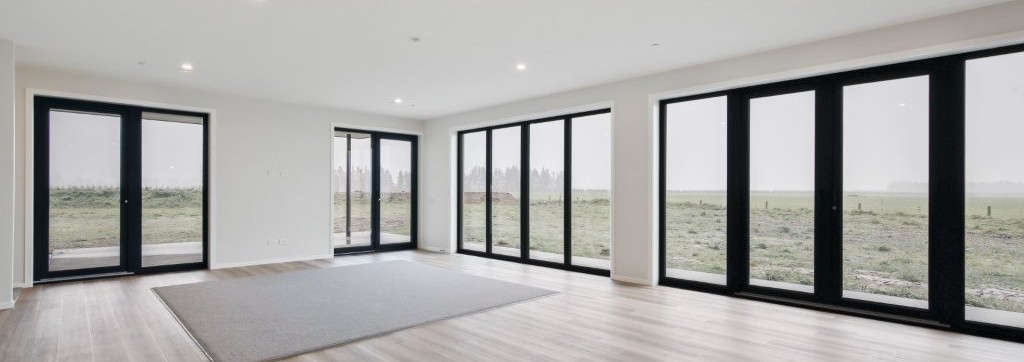
What Makes a Window “High Performance”?
A high-performance window is designed to reduce unwanted heat transfer, prevent condensation, and maintain airtightness. Several factors determine performance:
- Glazing: Double or triple glazing significantly reduces heat loss compared to single glazing. Argon-filled or low-emissivity (Low-E) coatings can further improve thermal efficiency.
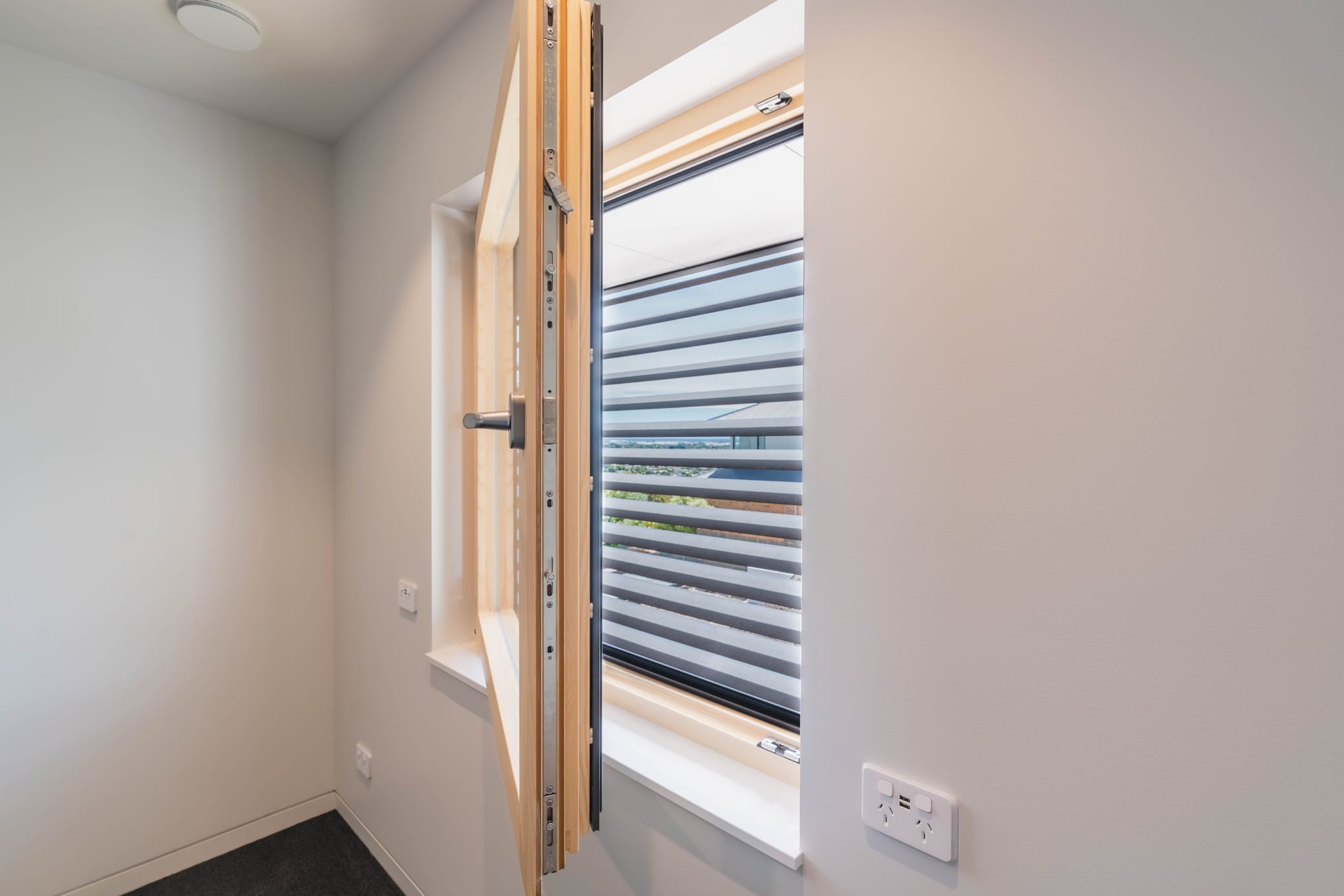
- Frame Material: The frame can make or break window performance. Materials like uPVC and timber provide natural insulation, while aluminium requires additional measures (thermal breaks) to perform well.
- Thermal Breaks: These insulated barriers separate the inner and outer sections of a frame, reducing heat transfer.
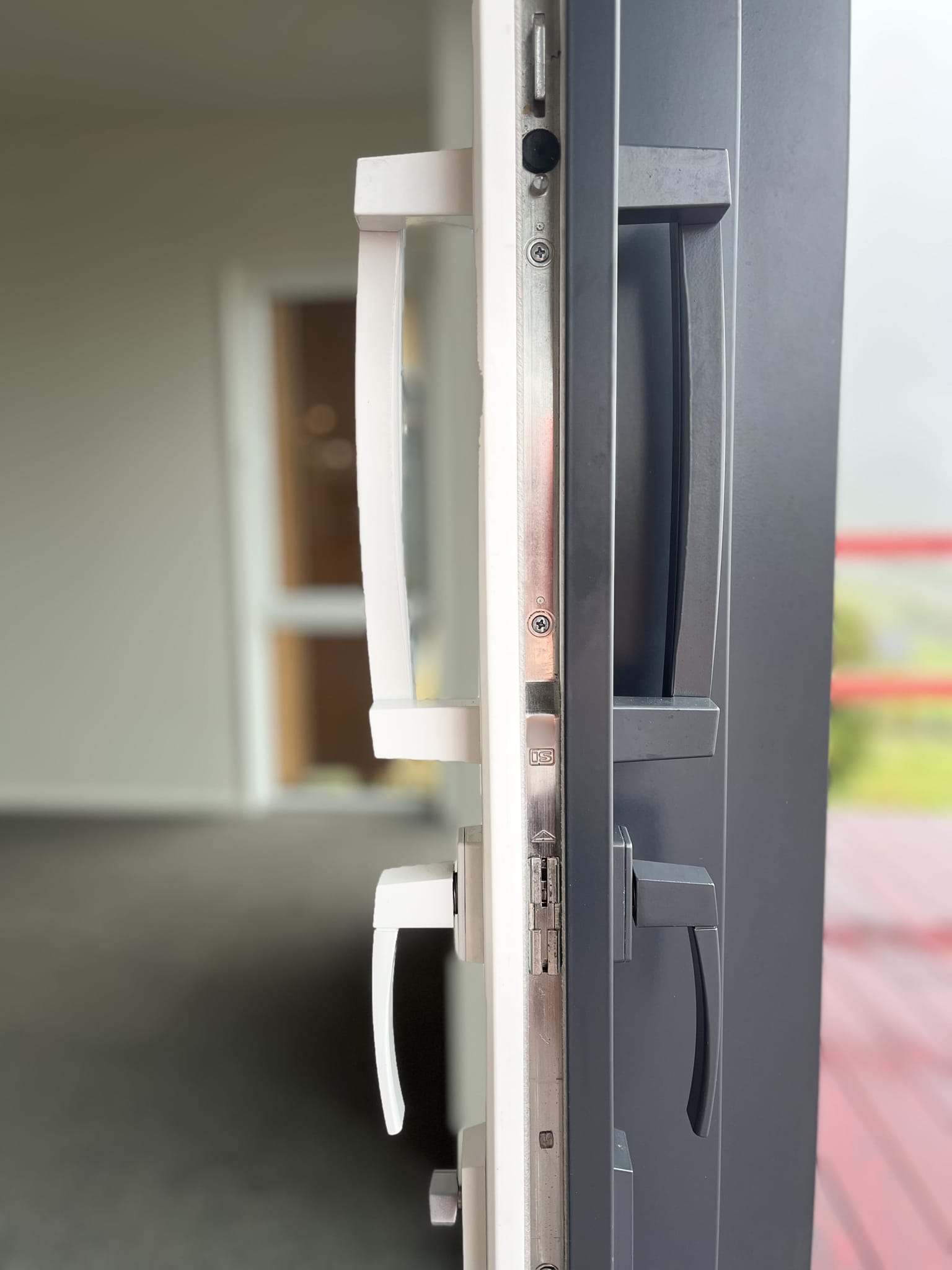
- Seals and Installation: Even the best window will underperform if poorly installed. Airtight detailing and proper flashing are essential. A critical but often overlooked factor is the need to recess into the thermal layer to help mitigate thermal bridging and provide a continuous thermal envelope.
When all these elements are designed and installed correctly, the result is a window system that enhances the home’s comfort and efficiency rather than compromising it.
The Benefits of High-Performance Windows
- Improved Comfort: Eliminate drafts and cold spots, creating an even indoor temperature throughout the year.
- Energy Efficiency: Reduce heating and cooling demand, lowering energy bills and carbon emissions.
- Condensation Resistance: Warm frame surfaces and quality seals reduce the risk of moisture and mould around windows.
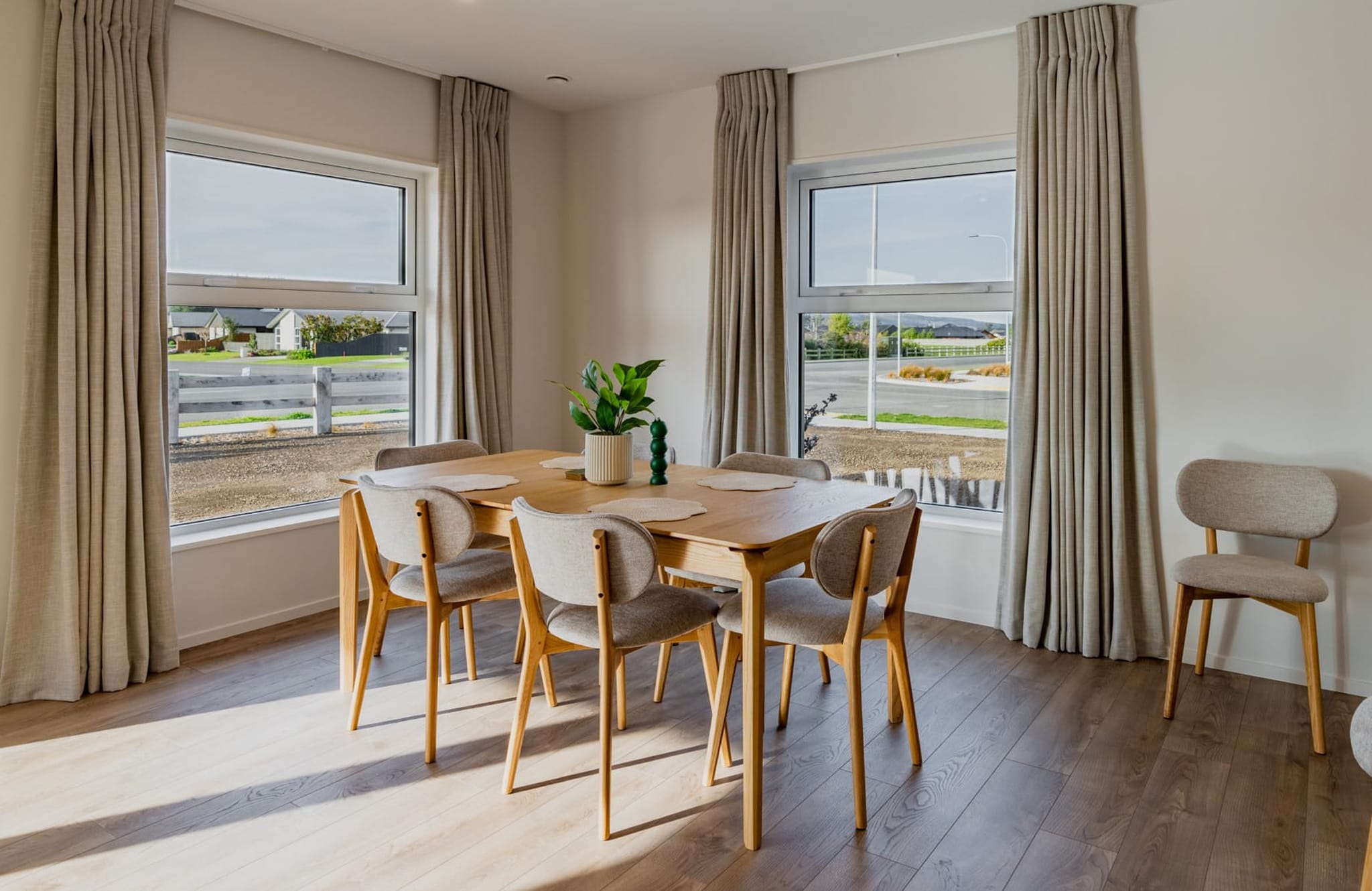
- Noise Reduction: Superior sealing and multi-layer glazing create a quieter, more peaceful home environment.
- Durability and Low Maintenance: Quality materials and installation ensure long-term performance with minimal upkeep.
Choosing What’s Right for You
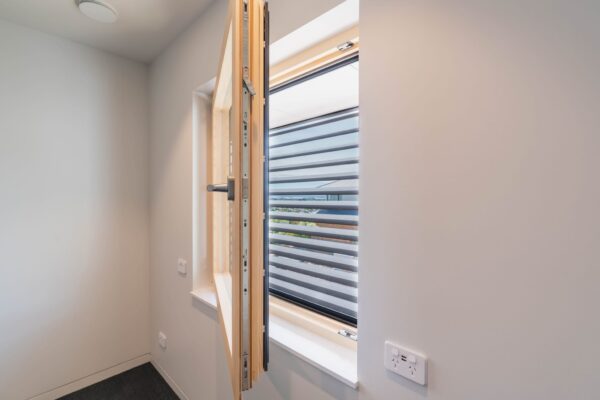
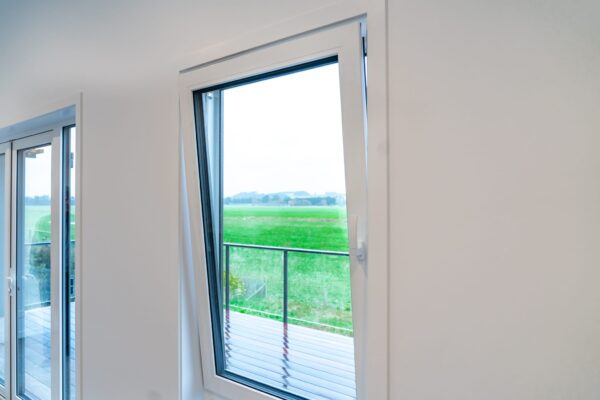
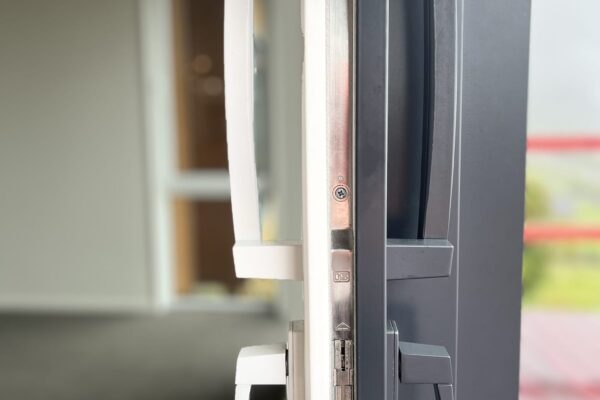
Each material has its place in a high-performance home.
- Thermally broken aluminium offers improved insulation compared to standard aluminium. Plus, there are a range of designs/architectural options where this is a priority. It is not as efficient as uPVC or timber, and architectural options may cost substantially more than more standard frames.
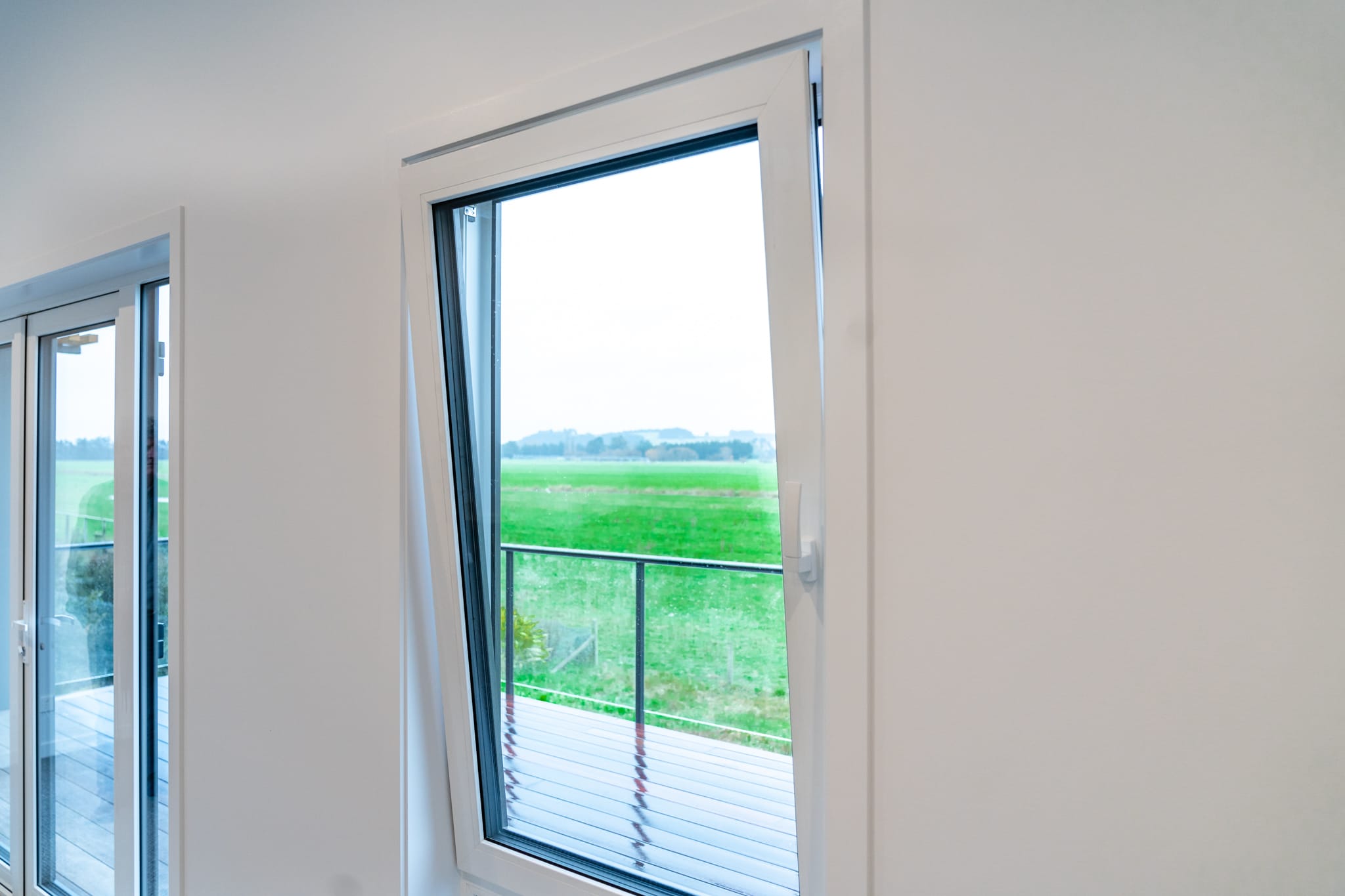
- uPVC provides excellent thermal performance, durability, and low maintenance, making it ideal for cold or coastal South Island conditions. Skins and aluminium clip-on’s have created large choice of colours.
- Timber delivers outstanding insulation and a natural aesthetic, particularly suitable for character homes or environmentally focused builds, though it requires ongoing care and is generally dearer than uPVC or thermally broken aluminium.
When paired with quality glazing and professional airtight installation, all three can achieve high performance. The key is selecting the right combination for your climate, design goals, budget, and maintenance preferences.
If you are still unsure, don’t forget that our thermal modelling can compare the performance of any number of window combinations so you can undertake a fact-based cost benefit analysis of your house on your section to make your choice easier.
Final Thoughts
High-performance windows are a smart investment in your home’s comfort, energy efficiency, and durability. Whether you choose thermally broken aluminium, uPVC, or timber, prioritising performance will help create a healthier, more sustainable home that stands up to the demands of the South Island climate.