
A practical guide to thermal performance
When we talk about creating a warm, comfortable, and energy-efficient home, you’ll often hear terms like R-value and U-value. These “values” are simply ways of measuring how well different materials perform when it comes to heat, either keeping it in, or letting it escape.
While they’re expressed differently, both are describing the same fundamental idea of how your home manages heat.
R-Value: How well a material resists heat flow
R-value measures thermal resistance. In other words, how effective a material is at slowing heat transfer. It’s most commonly used when talking about insulation.
- Higher is better. The higher the R-value, the better the material is at keeping warmth inside during winter and reducing heat gain in summer.
- It’s influenced by material type and thickness, generally, thicker insulation performs better.
- Measured in m²·K/W
In simple terms doubling the R-value roughly doubles the insulating performance.
U-Value: How much heat actually escapes
U-value looks at the opposite side of the equation. It measures how much heat passes through a building element, typically windows, doors, and sometimes walls.
- Lower is better. A lower U-value means less heat loss and better performance.
- Measured in W/m²·K
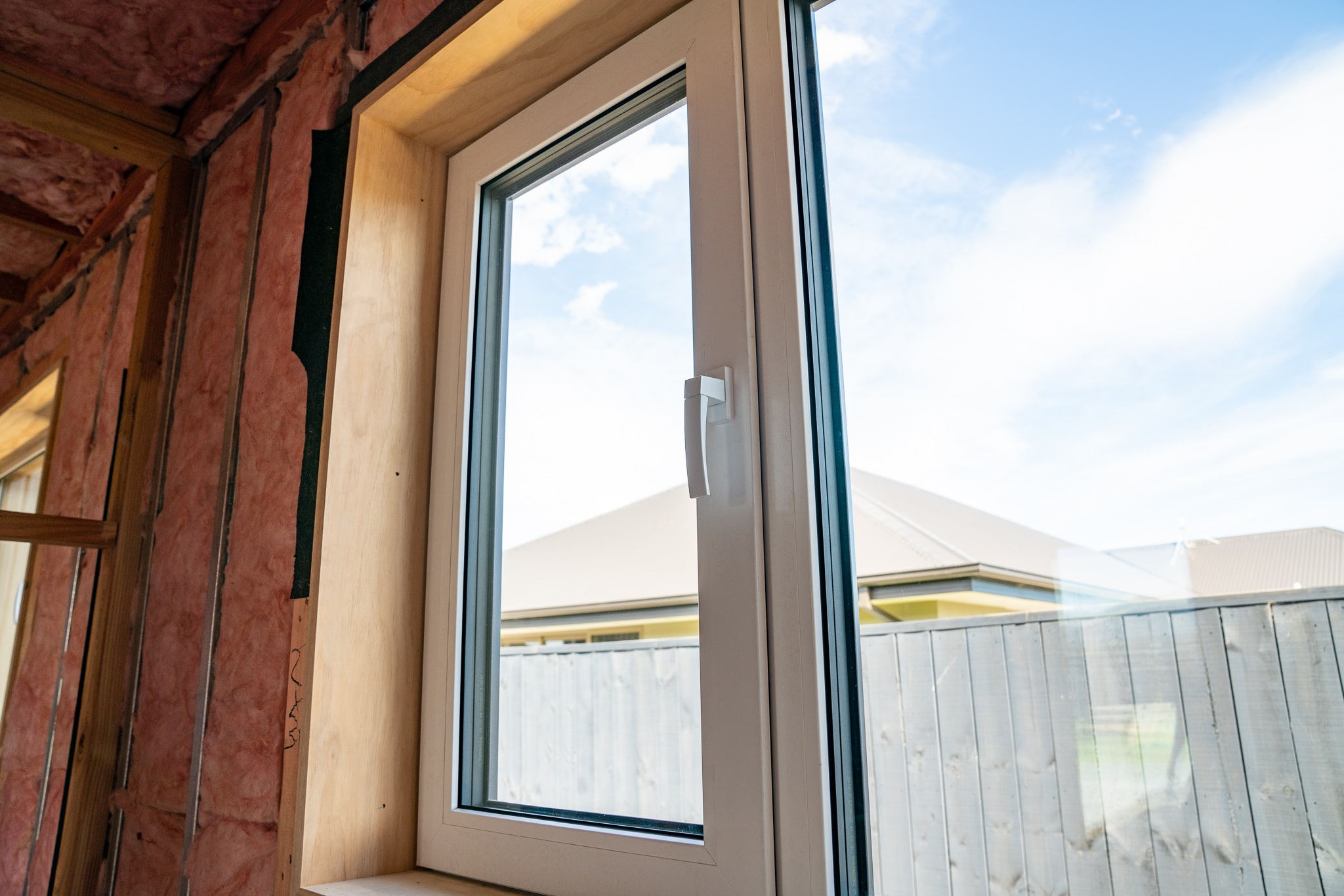
Windows are usually discussed in U-values because they are complex systems (glass + frame + seals), and their performance is about total heat transfer rather than just resistance.
How they relate
R-values and U-values are simply two ways of expressing the same thing:
- U = 1 / R
- R = 1 / U
What this highlights, and what often surprises homeowners, is just how differently materials perform.
For example:
- A well-insulated wall (around R2.5) performs significantly better than even a high-performing window system (roughly equivalent to R0.6–0.7).
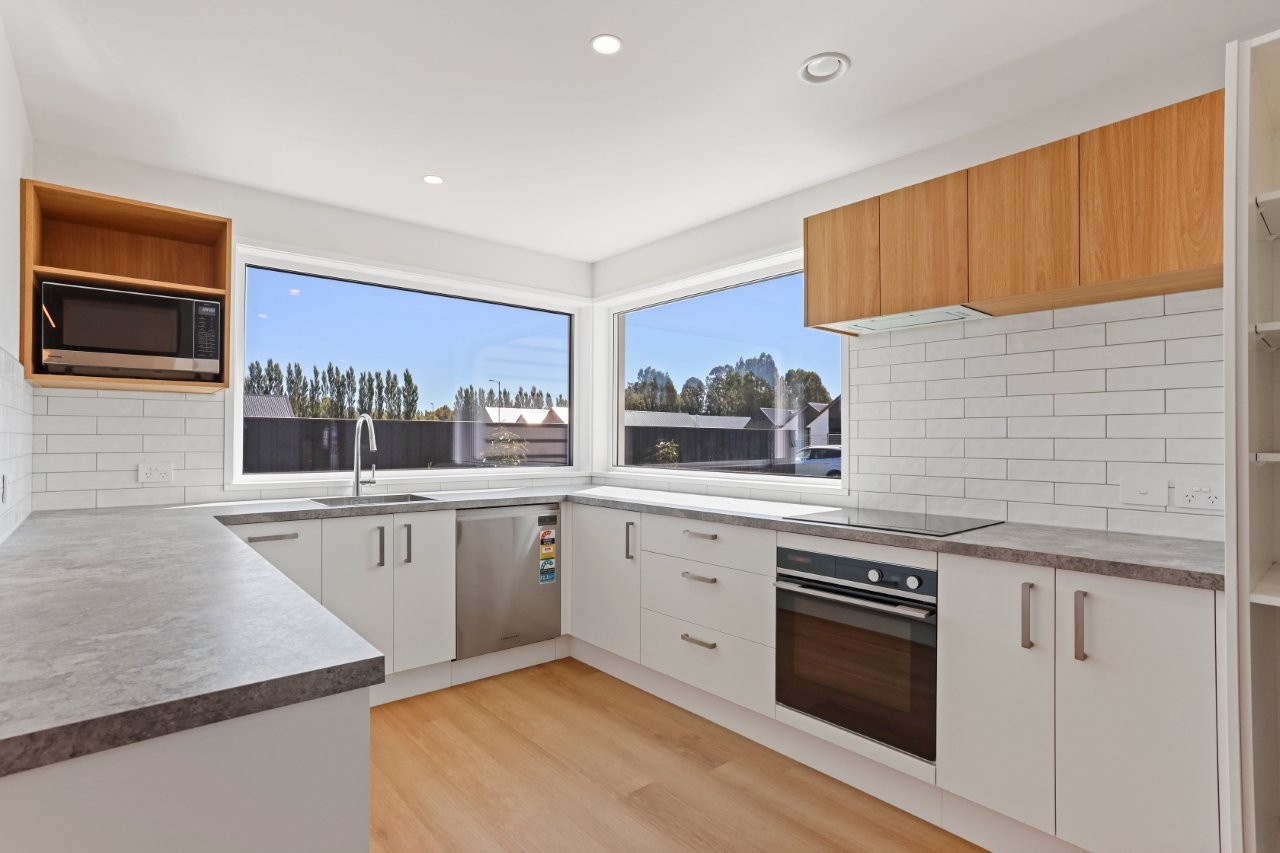
That’s not to say windows are a problem. They are essential for light, connection, and lifestyle, but it does mean they are typically the weakest part of the thermal envelope. Good design is about balancing performance with how you want to live.
Where good design makes the difference
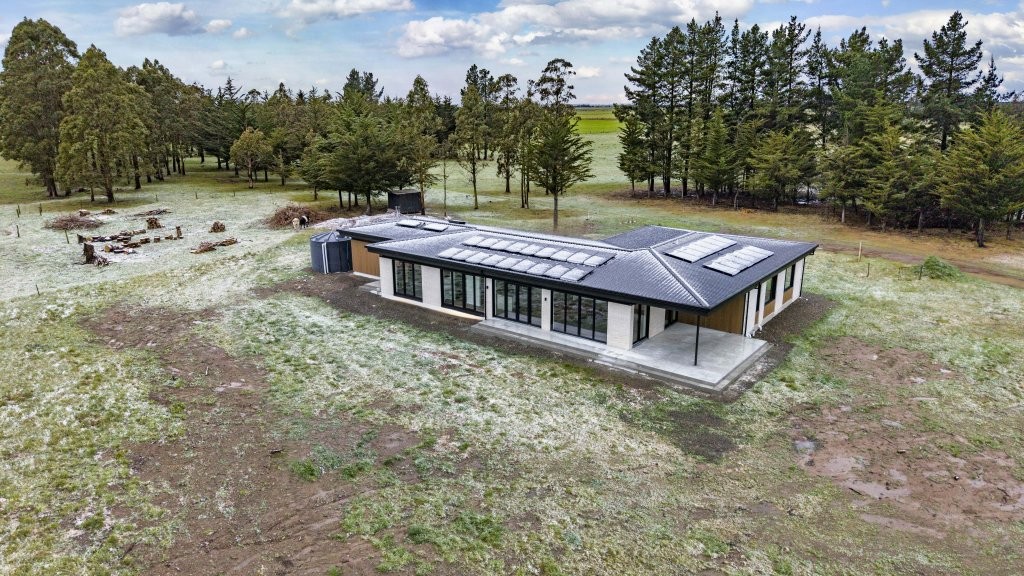
At Chatterton Homes, we look at thermal performance as a whole system, not just individual products.
How to improve window performance (lower U-values):
- Thermally broken frames to reduce heat transfer
- uPVC or timber joinery for inherently better insulation
- Double, or even better, triple glazing
- Argon gas between panes
- Low-E coatings to reflect heat where you want it
Improving insulation performance (higher R-values):
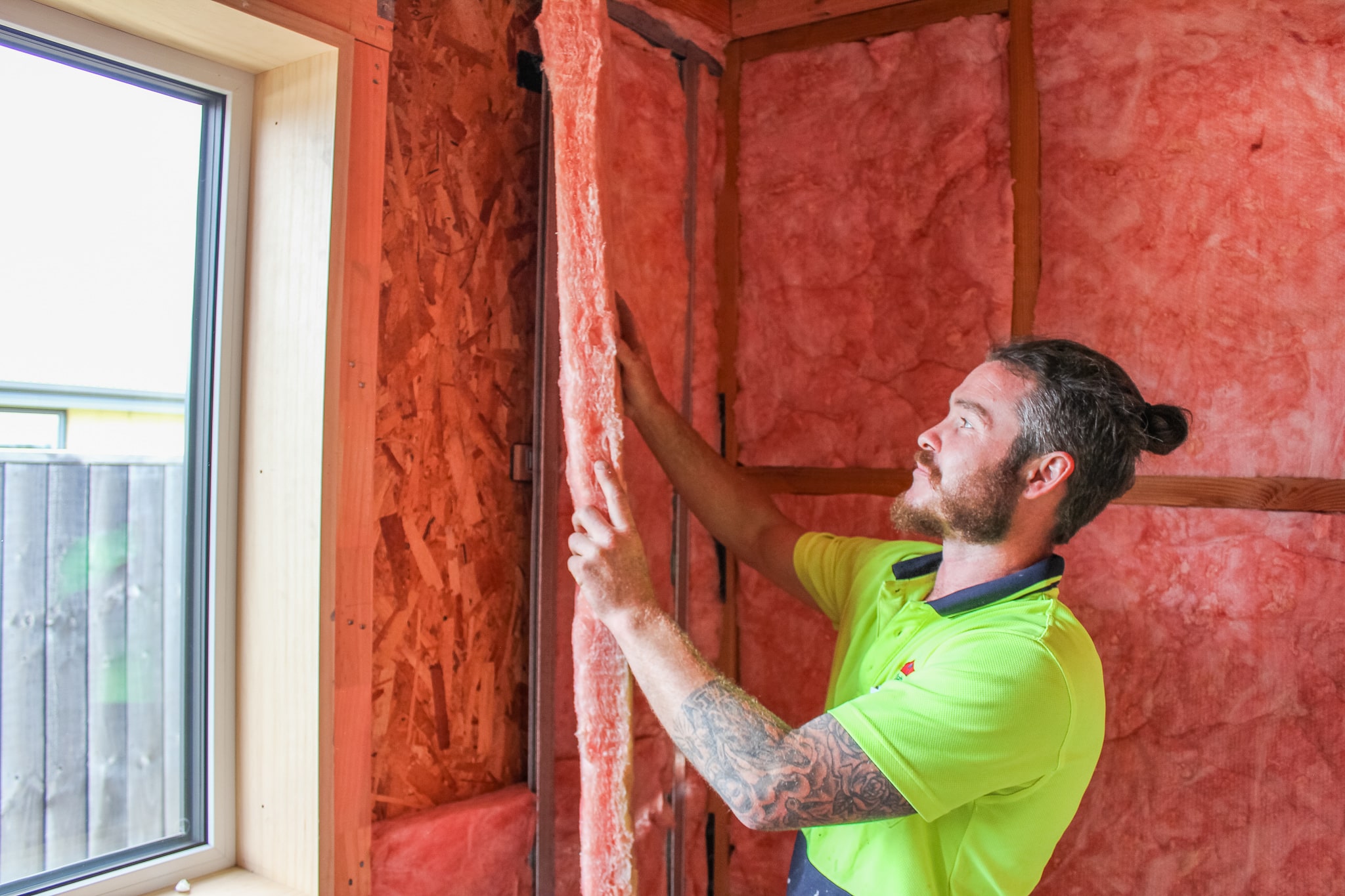
- Increasing insulation thickness, particularly in ceilings
- Using higher-density insulation in walls
- Ensuring continuity, so no gaps, compression, or poorly installed sections
The bigger picture
It’s easy to focus on individual numbers, but comfort comes from how everything works together (insulation, glazing, airtightness, and design).
Large windows, for example, are a key part of how many of our clients want to live, bringing in light, views, and connection to the outdoors. Our role is to design those spaces so they perform as well as possible, without compromising the lifestyle you’re building for.