The Homeowners Guide to Achieving a Healthy, Comfortable & Energy Efficient Home
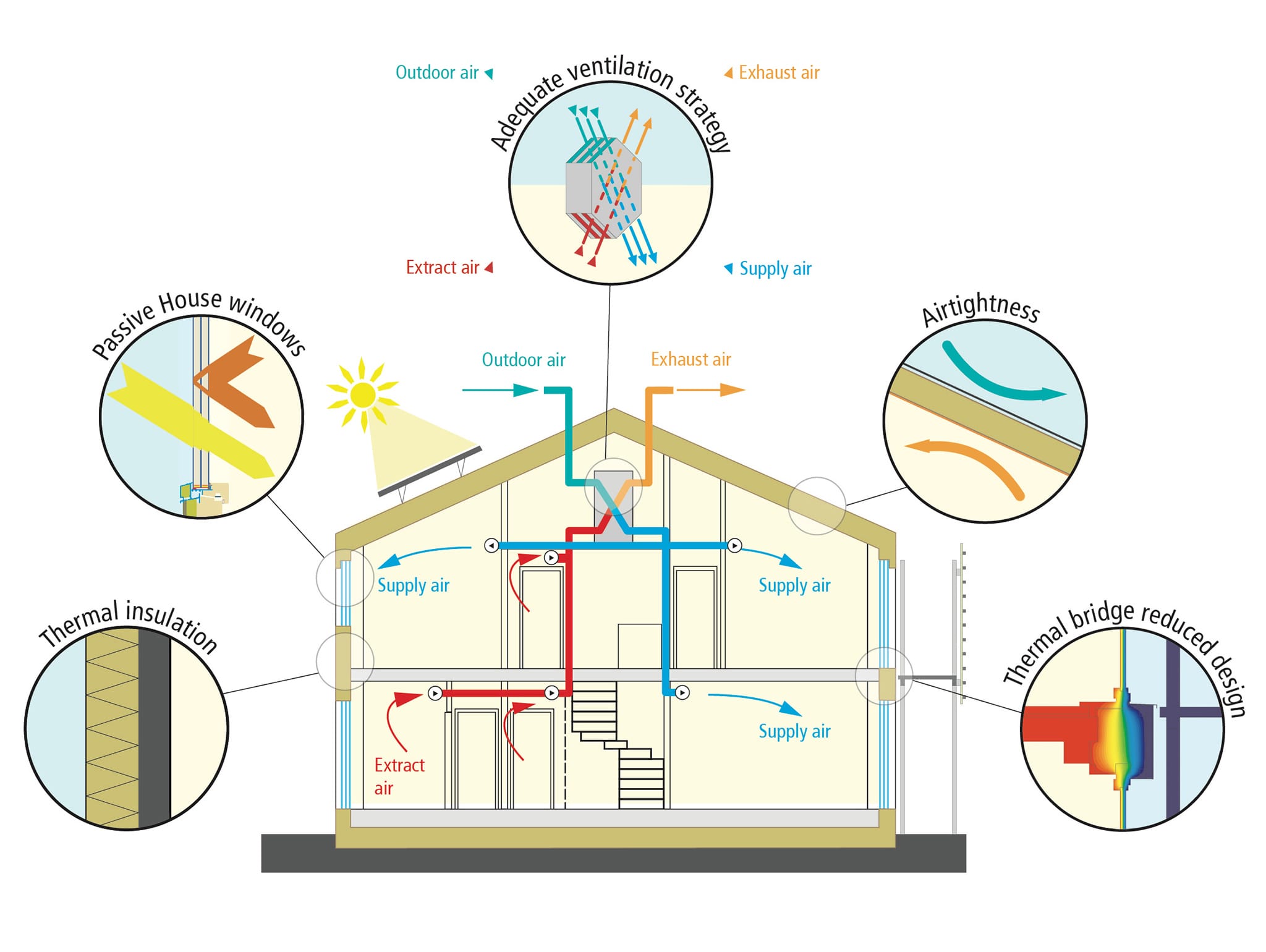
Image sourced from the International Passive House Institute
What Passive House Principles Really Mean
A true high-performance home relies on a comprehensive design and build approach, where every element works together to deliver the best outcome for occupants. Passive House design carefully considers the cause and effect of each decision – ensuring comfort, air quality, humidity, and energy efficiency are all optimised, not overlooked as they often are with isolated fixes.
All levels of our high performance home incorporate the same key design principles originating from passivhaus.
Whilst these principles are mandatory in certified passive homes, successful integration into any design is highly effective with the right knowledge and experience, achieving a superior level of performance and energy efficiency.
Whatever your budget, it is these key principles that are integral to a truly healthy, comfortable, and energy efficient home.
Energy modelling will provide tangible performance data for any homeowner seeking reassurance.
The Homes Built to Passive House Principles and Homeowner Experiences
Passive House Principles Explained!
Video explaining how a passive house works
A virtual tour of a passive home.
Passive House Principles FAQs
Are Passive House principles the same as energy-efficient building?
No, not always, and it depends on the context and users intention.
While both aim to reduce energy use, Passive House principles take a more rigorous and whole-home approach.
Our ‘Energy Efficient’ homes at Chatterton Homes all have passive house principles applied but a general claim of ‘energy-efficient’ building from contractors or suppliers should be carefully researched to identify exactly what the use of ‘energy efficient’ means and incorporates.
So, what can “energy-efficient” building mean?
The term energy-efficient is broad and can describe many different approaches.
A home may be considered energy efficient by:
- Adding insulation
- Installing double glazing
- Using efficient heating or ventilation systems
However, these measures are often applied individually and may not address:
- Overall comfort
- Indoor air quality
- Energy costs
- Long-term building performance
How are Passive House principles different?
Passive House principles are based on a performance-driven, whole-home system. They focus on:
- Airtightness
- Continuous insulation
- High-performance windows
- Mechanical ventilation (MHRV)
- Minimising thermal bridging
These elements are designed to work together, ensuring:
- Consistent indoor temperatures
- High levels of comfort
- Reliable indoor air quality
- Significantly reduced energy costs for heating and cooling
Can a home be energy efficient without being Passive House?
Yes. A home may still be considered energy efficient without following Passive House principles, particularly if it includes selected upgrades or technologies.
However, this will not provide consistent performance across all aspects of the home, and is NOT what Chatterton Homes means when we refer to our Energy Efficient Homes.
All of our building options, including our ‘Energy Efficient by Design’ option, all incorporate passive house principles and a whole-home approach.
So, are homes designed to Passive House principles energy efficient?
Yes. Homes designed using Passive House principles are inherently energy efficient through the design.
Rather than relying on isolated features, they use an integrated approach, where every element contributes to reducing energy demand while improving comfort and indoor health.
Why does this difference matter?
Understanding the difference helps you make more informed decisions.
- Energy-efficient homes without passive house principles applied may reduce energy use and care should be taken to understand what the ‘energy efficient’ claim relates to specifically.
- Homes built to Passive House principles are designed to deliver consistent performance across comfort, health, and energy efficiency
Bottom line
Energy-efficient building can mean many things, depending on the approach or users intention.
Passive House principles provide a more structured, whole-home method that focuses on performance, comfort, and long-term outcomes, not just energy savings alone. This is what Chatterton Homes champions, whatever level you decide to build at, including our ‘Energy Efficient by Design’ option.
What is a Passive House?
A Passive House (also known as Passivhaus) is an internationally recognised building standard that focuses on creating homes that are healthier, more comfortable, quieter and exceptionally energy efficient.
Rather than relying on large heating or cooling systems to maintain comfort, a Passive House uses a combination of high levels of insulation, an airtight building envelope, high-performance windows, thoughtful design, and balanced mechanical heat recovery ventilation (MHRV). Together, these principles create a home that maintains a consistent indoor temperature year-round while providing a constant supply of fresh, filtered air.
The result is a healthier indoor environment with improved air quality, controlled humidity, significantly reduced condensation and mould risk, and fewer airborne allergens, dust and outdoor pollutants. At the same time, a Passive House requires very little energy for heating and cooling, making it more comfortable to live in and more affordable to operate over the long term.
At Chatterton Homes, we don’t see Passive House as an “all or nothing” approach. We see it as a proven design and building methodology that can be adapted to suit different homes, sites and budgets.
That’s why every Chatterton Home is designed using Passive House principles. Every home includes an MHRV system to provide continuous fresh, filtered air and support a healthier indoor environment, while the overall level of thermal performance can be tailored to suit your project’s goals and budget. For clients wanting the highest level of verification, we also offer Certified Passive House, which includes detailed energy modelling, independent testing and international certification.
Whether you choose a Certified Passive House, a thermally modelled high-performance home, or one of our energy-efficient homes, our focus remains the same…… creating healthier, quieter and more comfortable homes that perform exceptionally well, use significantly less energy, and provide a healthier living environment for years to come.
Do Passive House principles limit design flexibility?
No. Passive House principles focus on how a building performs, not how it looks. This means they can be applied to a wide range of architectural styles, layouts, and materials.
Can you still design a custom or architectural home?
Yes. Passive House principles can be incorporated into:
- Modern and traditional designs
- Single-storey or multi-level homes
- Custom architectural homes
- A wide range of material palettes
The design remains flexible, as long as performance is considered alongside aesthetics.
Does building form affect performance?
Simpler building forms are generally more energy efficient, as they reduce heat loss and construction complexity.
However, more complex designs are still achievable. They just require:
- More detailed design and modelling
- Careful consideration of insulation and airtightness
- Thoughtful management of thermal bridging
What needs to be considered during design?
To maintain both performance and design flexibility, key elements need to be integrated early:
- Insulation levels and continuity
- Airtightness strategy
- Window placement and performance
- Thermal bridge detailing
- Ventilation design
By addressing these early, design intent can be preserved without compromising performance.
Does Passive House restrict materials or finishes?
No. A wide range of materials and finishes can be used, provided they support the overall performance goals and are correctly detailed.
Bottom line
Passive House principles don’t limit design, they guide how a home is designed to perform. With the right approach, you can achieve both strong architectural outcomes and high levels of comfort, health, and energy efficiency.
What is R-value vs U-value?
R-value measures how well insulation resists heat loss, while U-value measures how much heat passes through a material like a window.
Higher R-values and lower U-values both improve energy efficiency.
Which is more important: R-value or U-value?
Both matter. Insulation uses R-values, while windows and doors use U-values. A high-performing home needs good insulation and high-performance windows working together.
Why do windows have lower thermal performance than walls?
Even energy-efficient windows lose more heat than insulated walls or ceilings. This makes window selection and placement critical in home design.
How do I improve thermal performance in my home?
- Install higher R-value insulation
- Choose windows with low U-values & triple glazing where budget allows
- Use thermally broken, and uPVC/timber frames where budget allows
- Ensure insulation is installed as a continuous layer and there are no gaps
Simple rule of thumb
- Insulation → higher R-value is better
- Windows → lower U-value is better
Learn more about R-values and U-values in our detailed blog.
Do Passive House principles still perform well over time?
Yes, Passive House principles are designed to deliver a home that performs consistently over the long term.
By focusing on the building envelope, insulation, airtightness, and construction quality, performance is built into the structure of the home itself. This creates a durable, resilient building where mechanical systems can operate efficiently, rather than being relied on to compensate for poor performance.
Design and quality of workmanship are particularly important. When done well, these homes maintain their comfort, efficiency, and indoor environment for decades.
If renovation or alteration work is carried out in the future, it’s important that it is carefully considered. Engaging a design and build team experienced in high-performance construction helps ensure that key elements, such as airtightness and overall performance, are maintained.
How is ventilation managed in a high-performance home?
Ventilation in a high performance home is managed through a balanced mechanical system that continuously supplies fresh air and removes stale air.
This system operates quietly in the background, helping maintain consistent air quality without relying on opening windows. It also recovers heat from outgoing air, supporting overall efficiency while ensuring the home remains well-ventilated and comfortable throughout the year.
An often overlooked benefit is humidity control. By managing moisture levels, the system helps keep the home dry and reduces the likelihood of condensation and mould.
The system also incorporates filters that significantly reduce the amount of dust, pollen, and other airborne allergens entering the home, which can be particularly beneficial for those with allergies.
Are Passive House principles worth considering for every home?
Passive House principles can be applied to a wide range of homes, but they are particularly valuable for those prioritising comfort, health, and long-term performance.
While not every project will aim for full certification, applying these principles thoughtfully can significantly improve how a home performs. The level of adoption can be tailored to suit the goals of each homeowner and project.
How do Passive House principles perform in New Zealand’s climate?
Passive House principles perform exceptionally well in New Zealand’s climate because they are based on building physics.
Whether in colder southern regions, milder northern areas, or humid sub tropical environments, these principles are adapted to suit local conditions through intentional design and material selections.
The result is a home that maintains stable indoor temperatures year-round, reduces reliance on active heating and cooling, and delivers consistent comfort and a healthy indoors regardless of outside weather patterns.
Do Passive House principles mean you can’t open windows?
No, you can absolutely open windows in a home built using Passive House principles.
These homes are designed to provide fresh, filtered air continuously through a balanced mechanical heat recovery ventilation (MVHR) system. This means you’re not relying on opening windows to maintain comfort or air quality, it’s already taken care of in the background.
You can still open windows whenever you choose. In fact, in a high performance home, opening windows becomes a lifestyle choice rather than a necessity, whether that’s for enjoying fresh air, connecting to outdoor spaces, or feeling the breeze on a warm day.
When windows are closed, it means the MVHR system is at its most efficient and able to operate as intended, maintaining consistent air quality, temperature, and efficiency throughout the home.
Natural ventilation alone can be inconsistent and difficult to control, particularly in maintaining indoor temperature and air quality. A balanced ventilation system provides a more reliable, year-round solution, while still allowing you the flexibility to open windows whenever it suits you.
Do high-performance homes feel “sealed” or unnatural to live in?
High-performance homes may be more airtight, but they don’t feel sealed or unnatural. In fact, they typically feel fresher and more comfortable than standard homes.
This is because fresh air is continuously supplied and stale air removed through a controlled ventilation system. Instead of draughts or temperature fluctuations, you experience consistent air quality, even temperatures, and a quieter indoor environment.
Our clients rave about how they feel living in our homes, often describing it as feeling safe or calm. Check out this feedback.
Are Passive House homes too warm in summer?
No, when designed correctly, homes built with Passive House principles are comfortable year round, including in summer.
Overheating can be a consideration, but it is carefully managed through shading, glazing design, insulation, and ventilation strategies. These elements work together to limit unwanted heat gain while allowing excess heat to be removed efficiently, resulting in a home that remains stable and comfortable even during warmer months.
In New Zealand, west-facing windows are often one of the biggest contributors to overheating in any home, high-performance or otherwise, and can be difficult to avoid on many sites. Managing this effectively is key and can be addressed through thoughtful design decisions such as window placement, sizing, external shading, blinds or shutters, and vegetation.
In a home built to passive house principles, windows can still be opened to create a cross breeze when conditions suit. However, on hotter days, comfort is more effectively maintained through a small air conditioning unit or by increasing ventilation rates. This allows the home to be cooled in a controlled and consistent way, without introducing excess heat or moisture, and helps maintain comfort across the entire home rather than in isolated rooms.
How do you ensure performance is achieved during construction?
Achieving performance requires careful attention to detail throughout the construction process.
This includes clear documentation, experienced trades, and quality control measures such as airtightness testing. By focusing on how each part of the building comes together, not just individual components, the intended performance outcomes can be verified and delivered as designed.
Check out how we test and verify performance.
What does it feel like to live in a home built with Passive House principles?
Living in a home built with Passive House principles feels consistently comfortable, quiet, and predictable.
Temperatures remain stable from room to room, there are no cold spots or draughts, and the indoor environment feels calm and controlled.
Many homeowners notice the absence of the usual fluctuations they may have experienced in standard homes, such as no sudden chills, no reliance on constant heating, and a generally more settled living environment. Sleep and better health are also reported, with asthma symptoms reducing or disappearing and less spread of sickness.
Head to our portfolio for more feedback from homeowners.
Browse Through Each Passive House Principle In Action
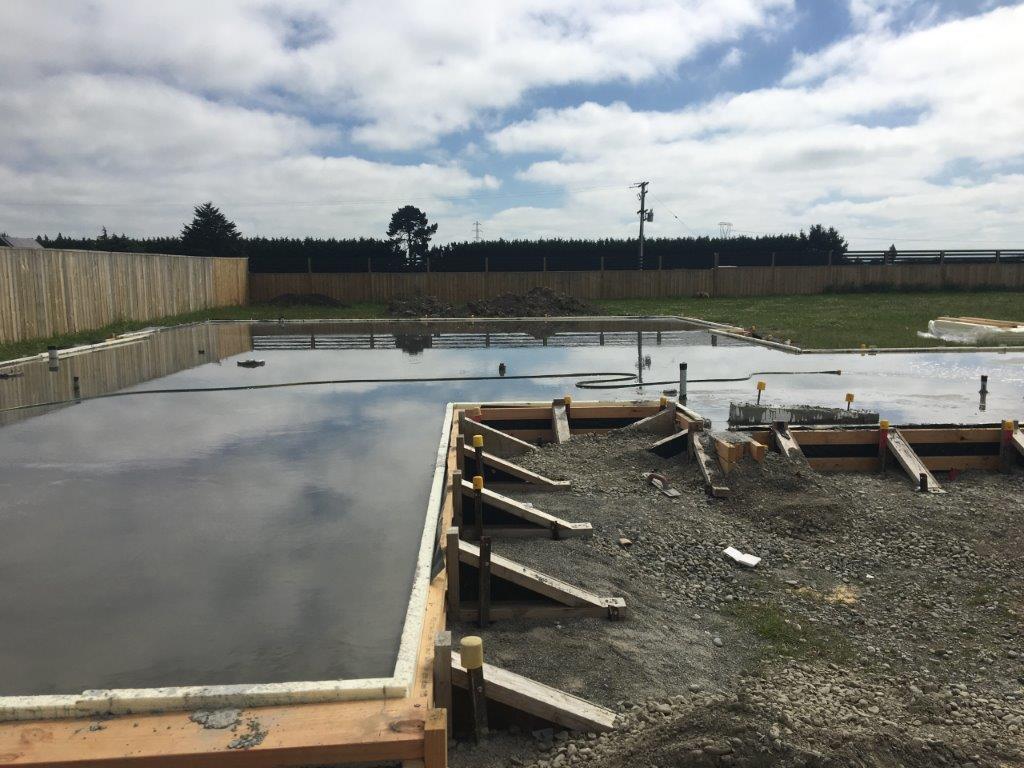
01 – EPS Floor Insulation and XPS Edge Insulation create an insulating envelope.
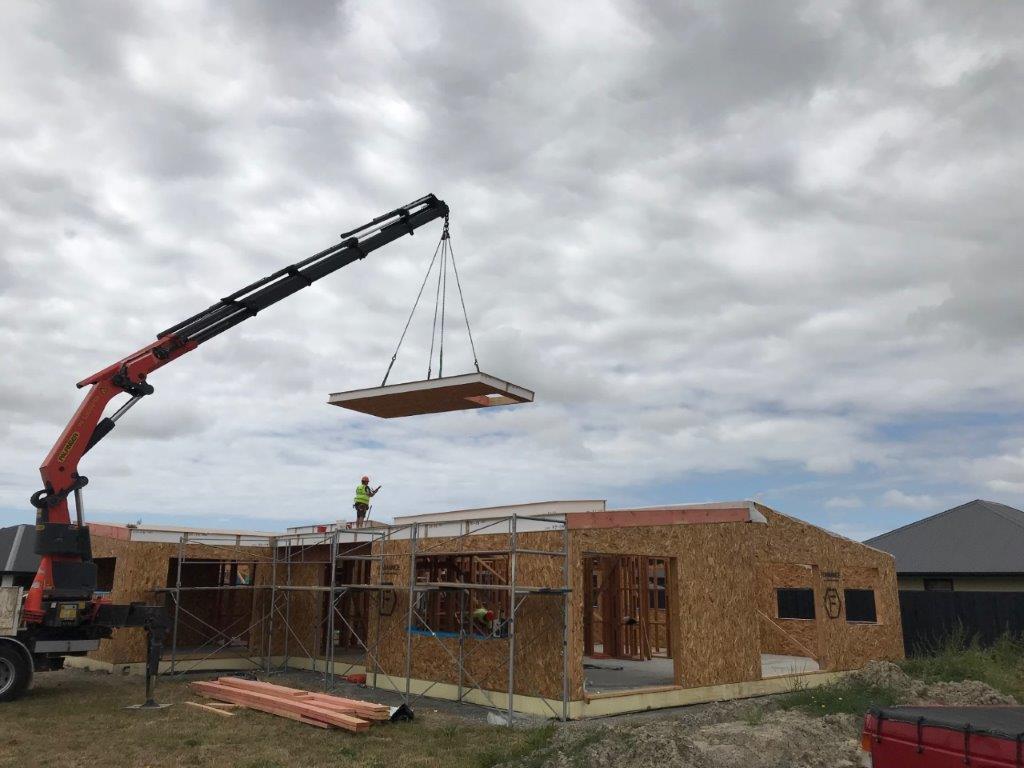
02 – SIPs roof and wall panels, together with the floor insulation, creates a continuous insulating layer (envelope) around the home.
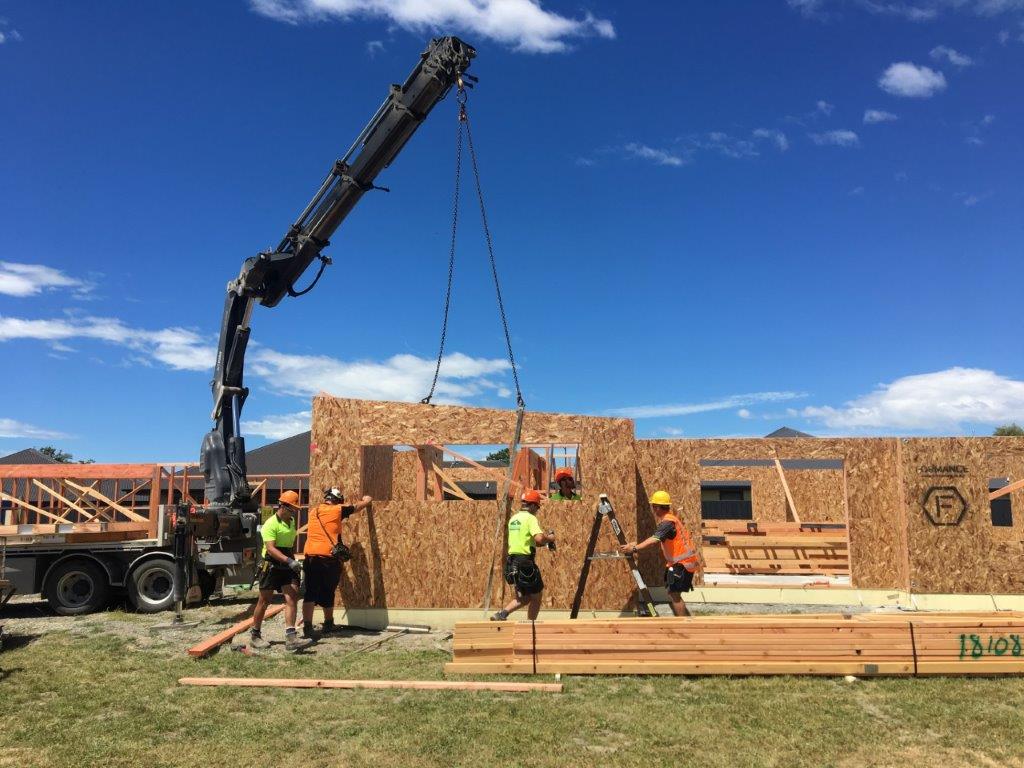
03 – SIPs insulation won’t fall or sag over time resulting in a stable insulating layer.
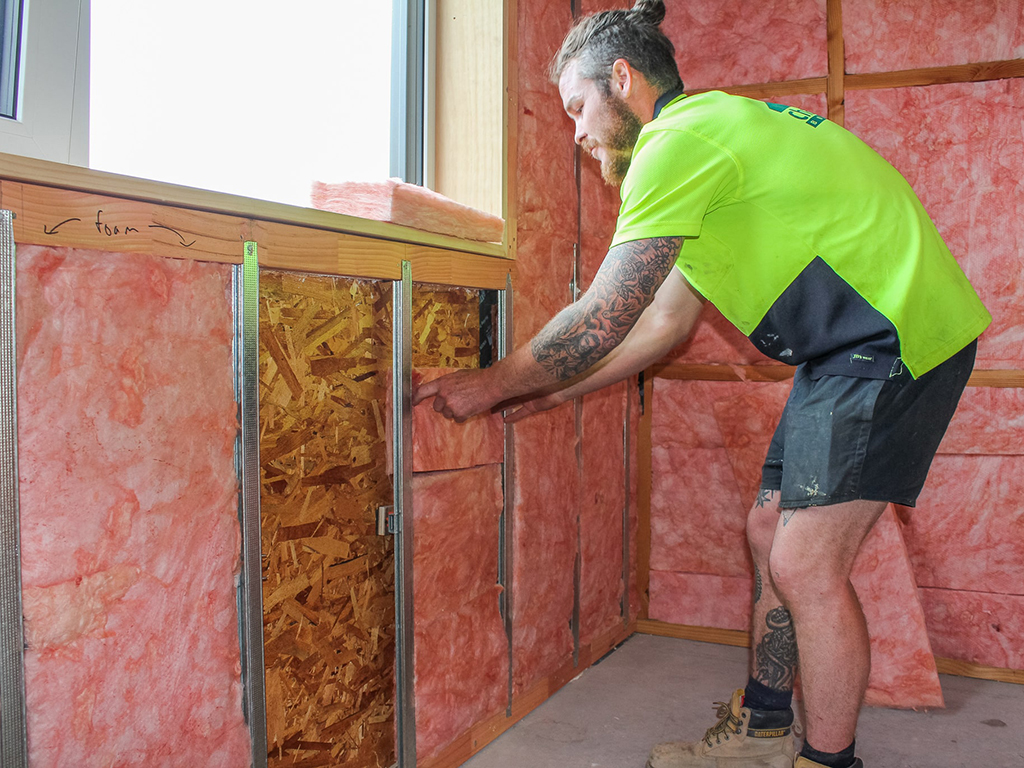
04 – An (optional) additional layer of Batts was installed for the service cavities (both roof and walls). This increases the R- Rating further.
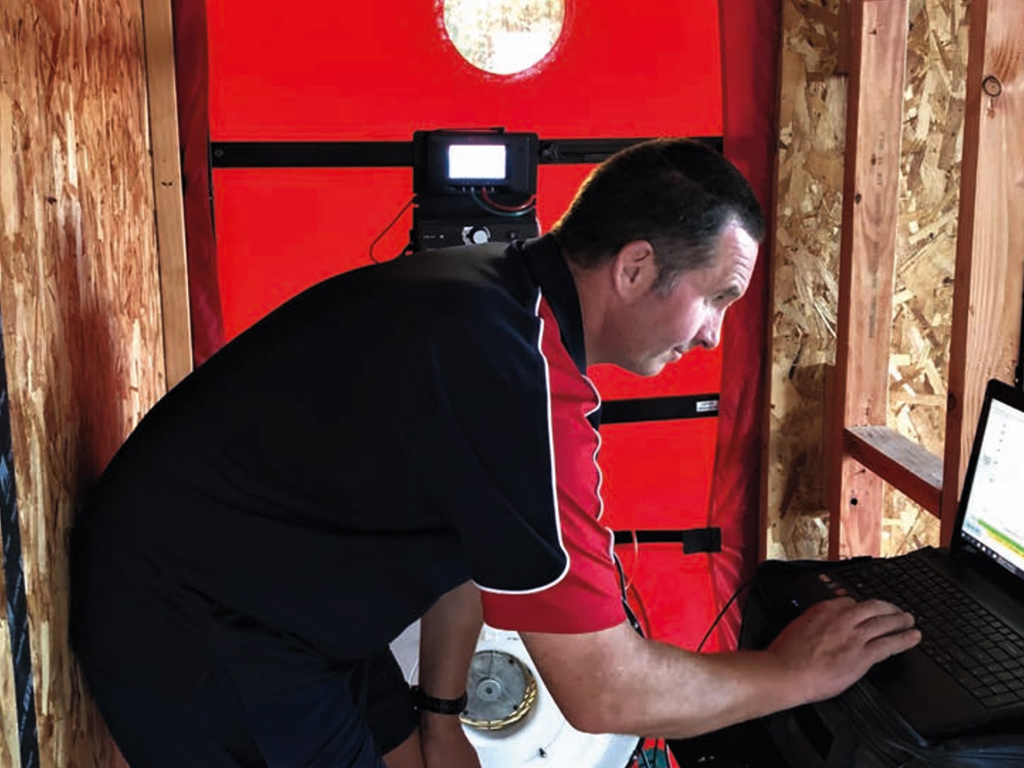
01 – Airtightness – Blower Door Test to check levels are acceptable, and identify leaks whilst they can still be remedied.
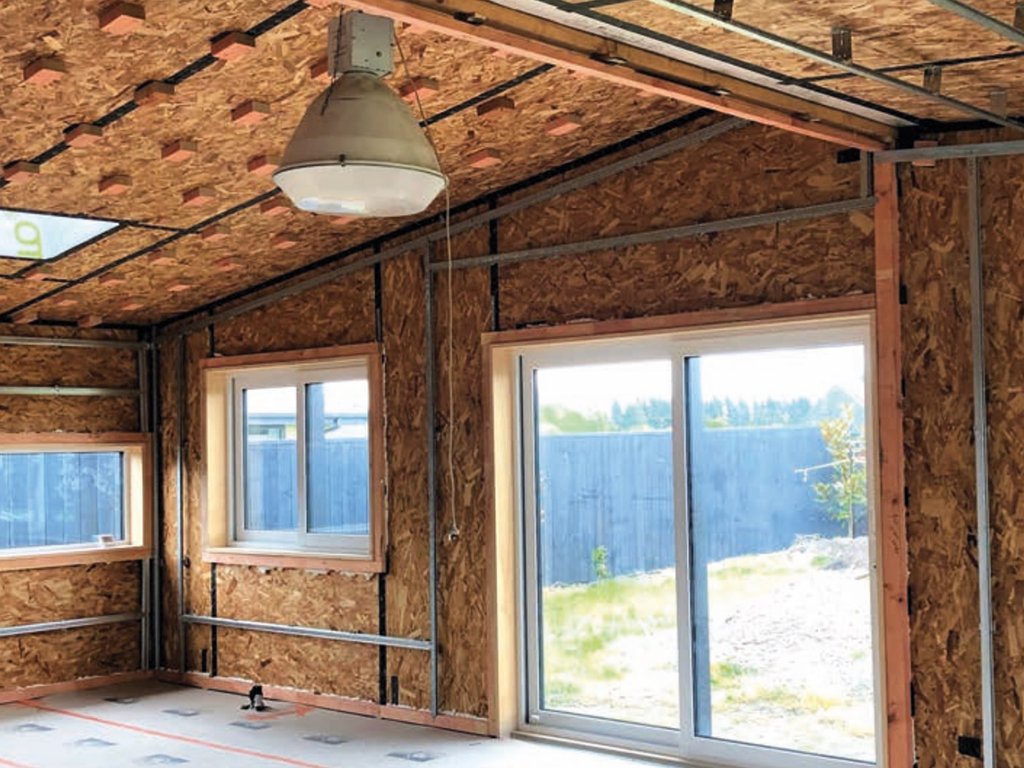
02 – The SIPs panels themselves increase the airtightness of the build due to the continuous polystyrene core within each panel. Taping of the joints addresses those air tightness breaches
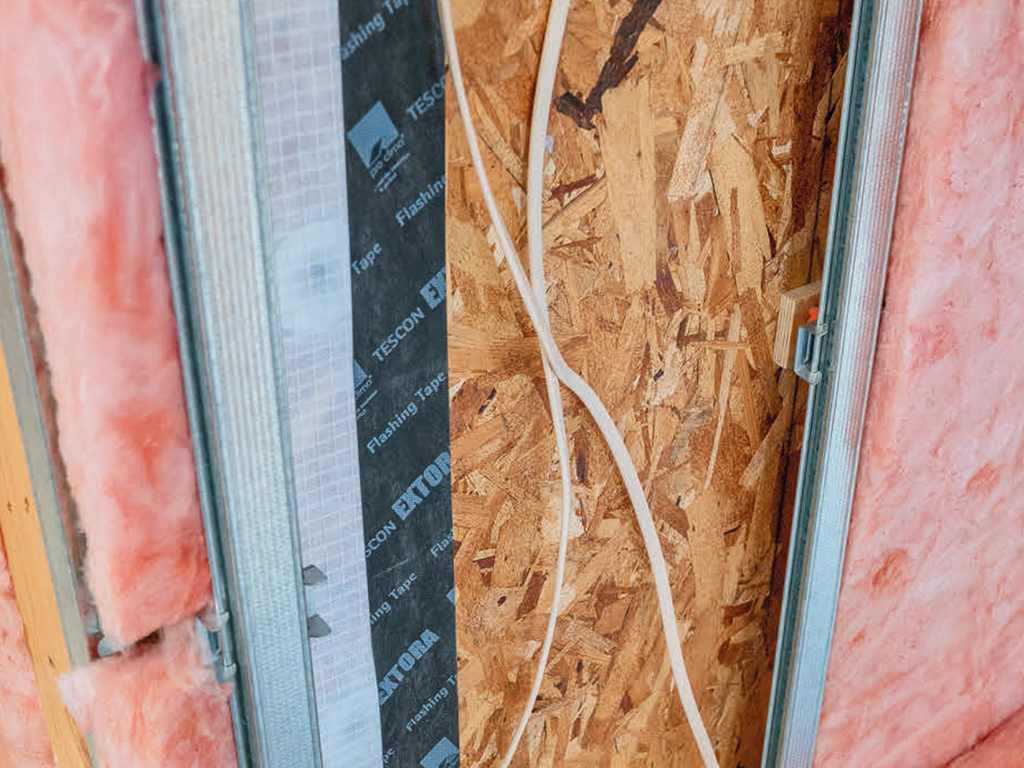
03 – Taping potential areas of draughts and thermal bridging such as corners with specialist tape.
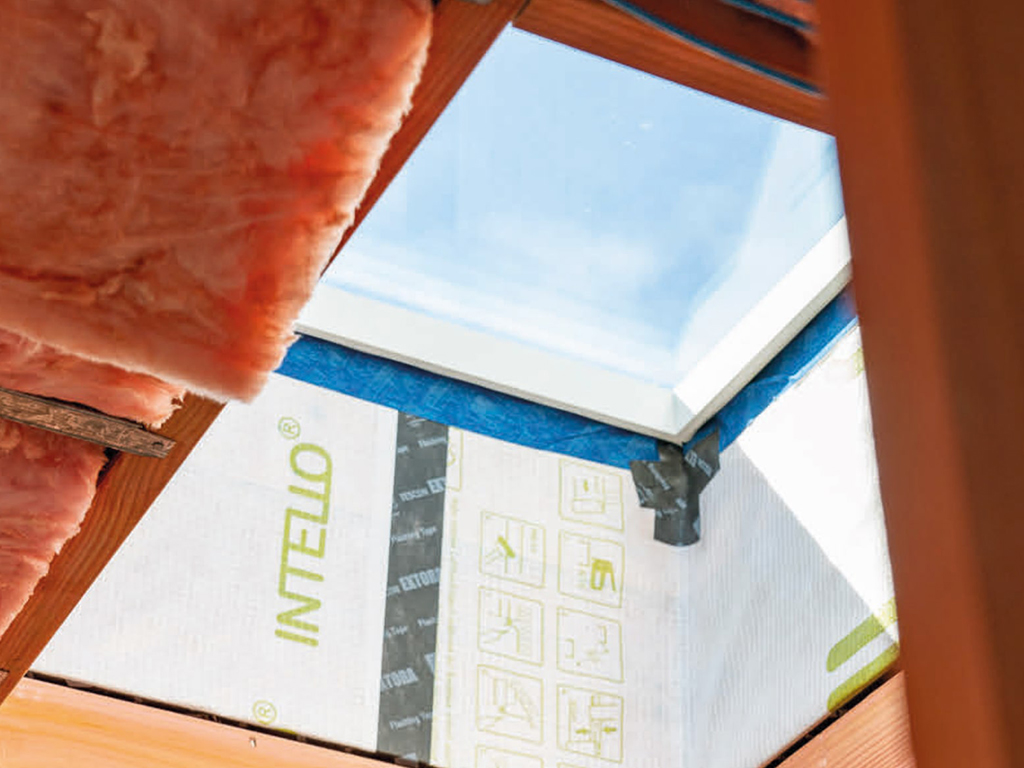
04 – Intello Wrap used where necessary, i.e. where multiple joints and timber framing are located.
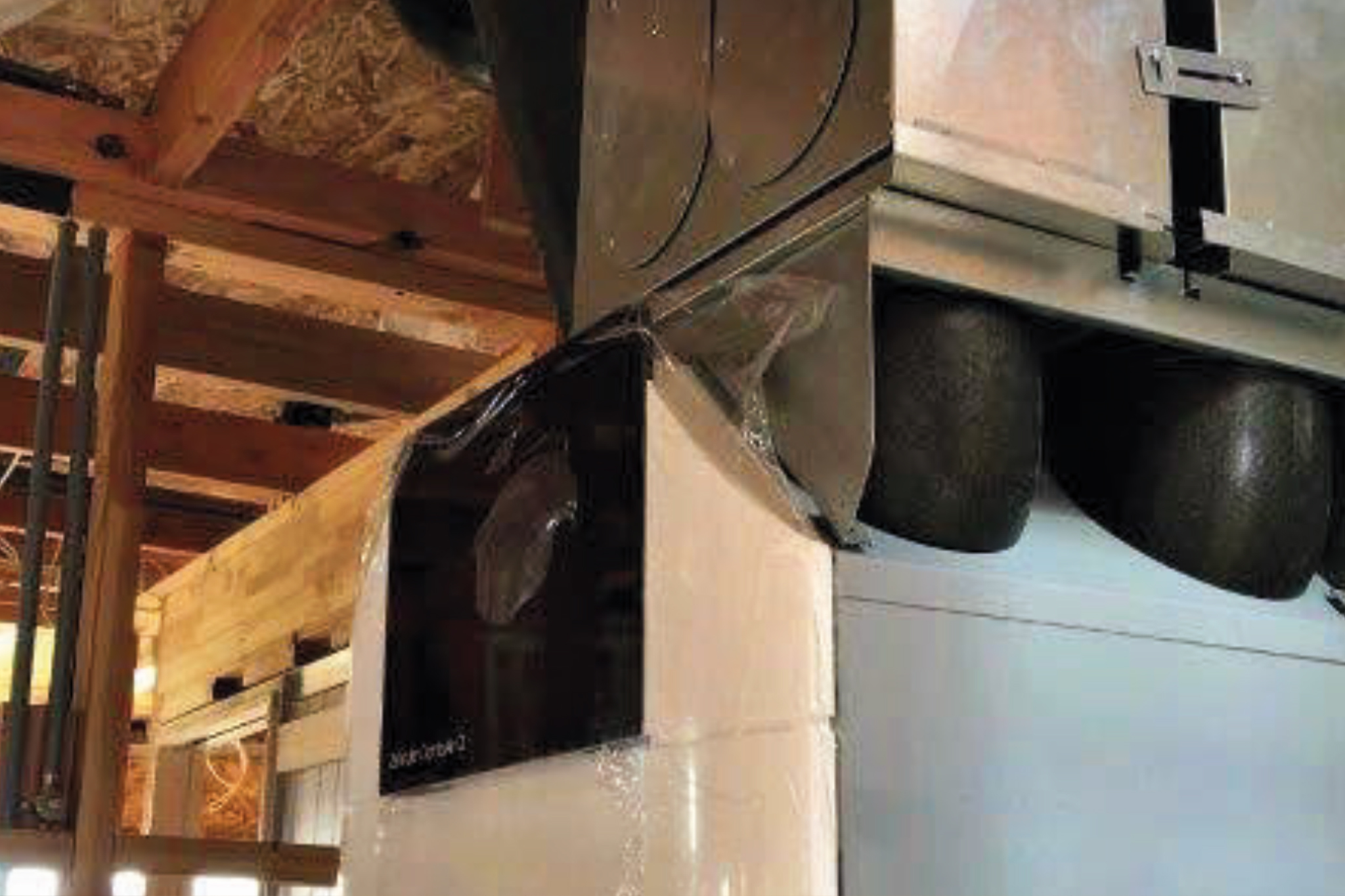
01 – A Centralised Unit – The heat exchanger sits inside where the heat from the exhaust air is transferred across a thin metal plate to the fresh filtered intake air.
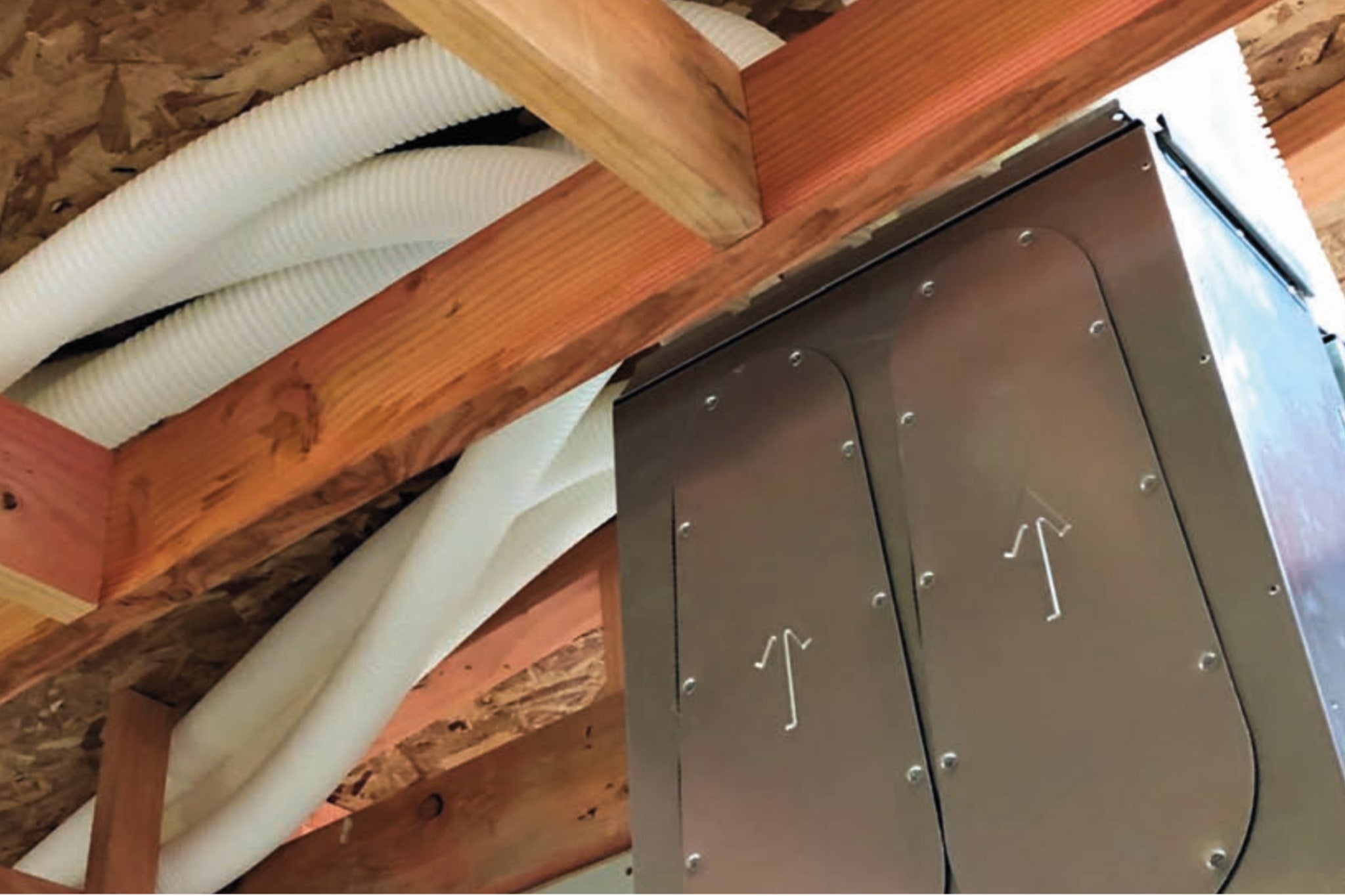
02 – The maze of intake & extraction ducting entering and leaving the central unit. All ducting is tagged to ensure correct installation.
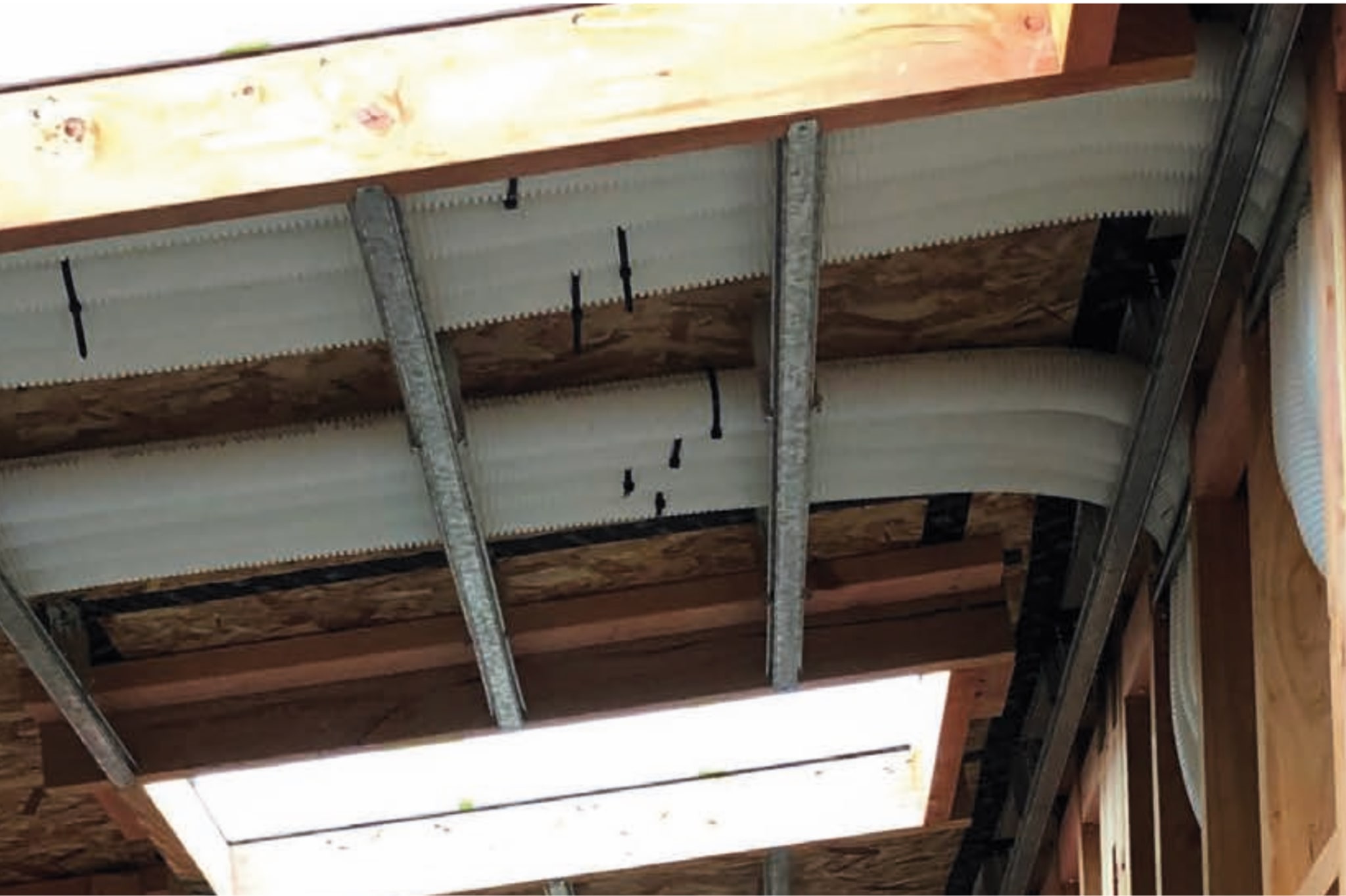
03 – The ducting is flexible enough to be installed around corners and through the 100mm ceiling service cavity.
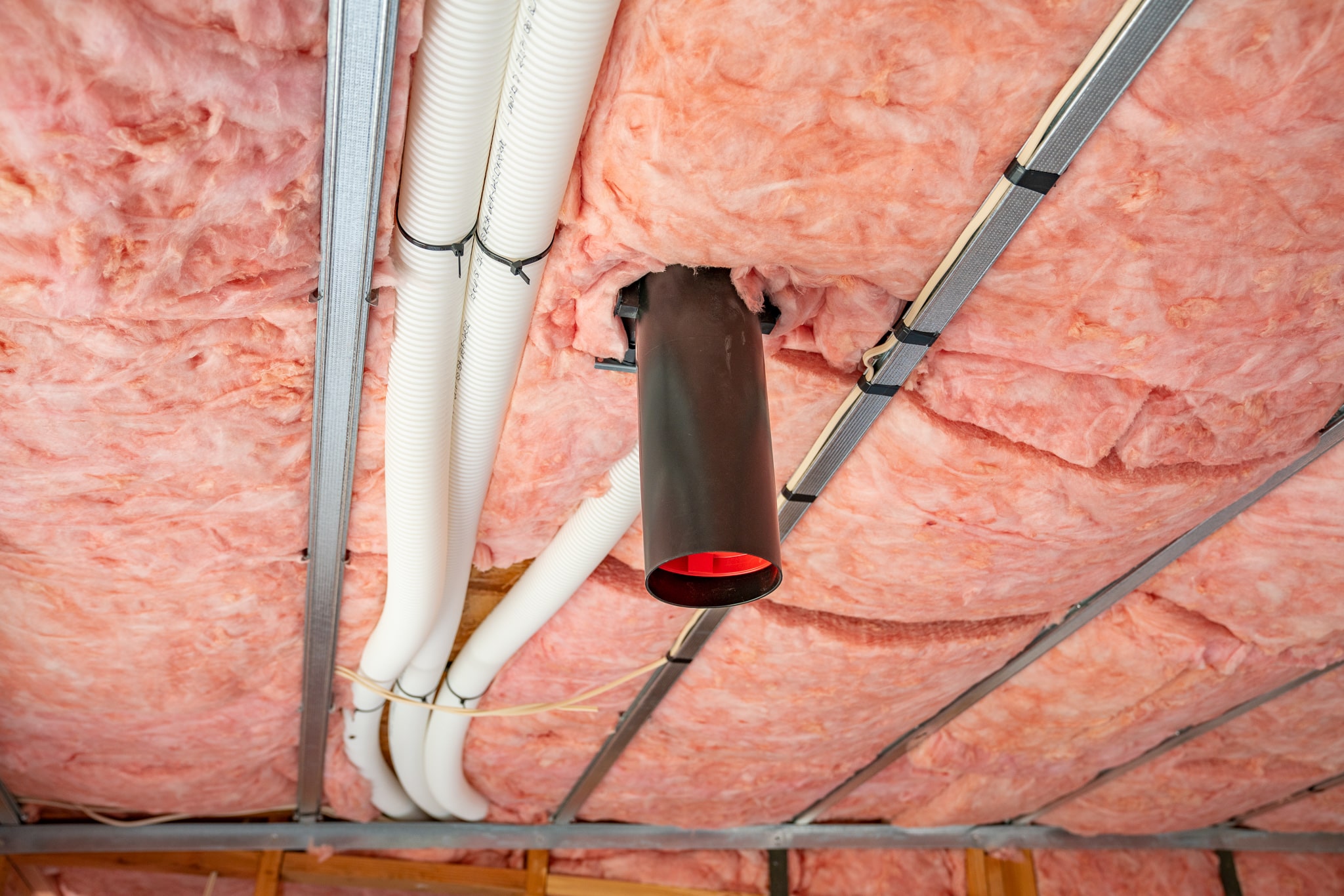
04 – An intake vent in the living area. Extraction vents are in the kitchen & bathrooms. Once the ceiling is painted a discreet white vent cover will replace the black tube.
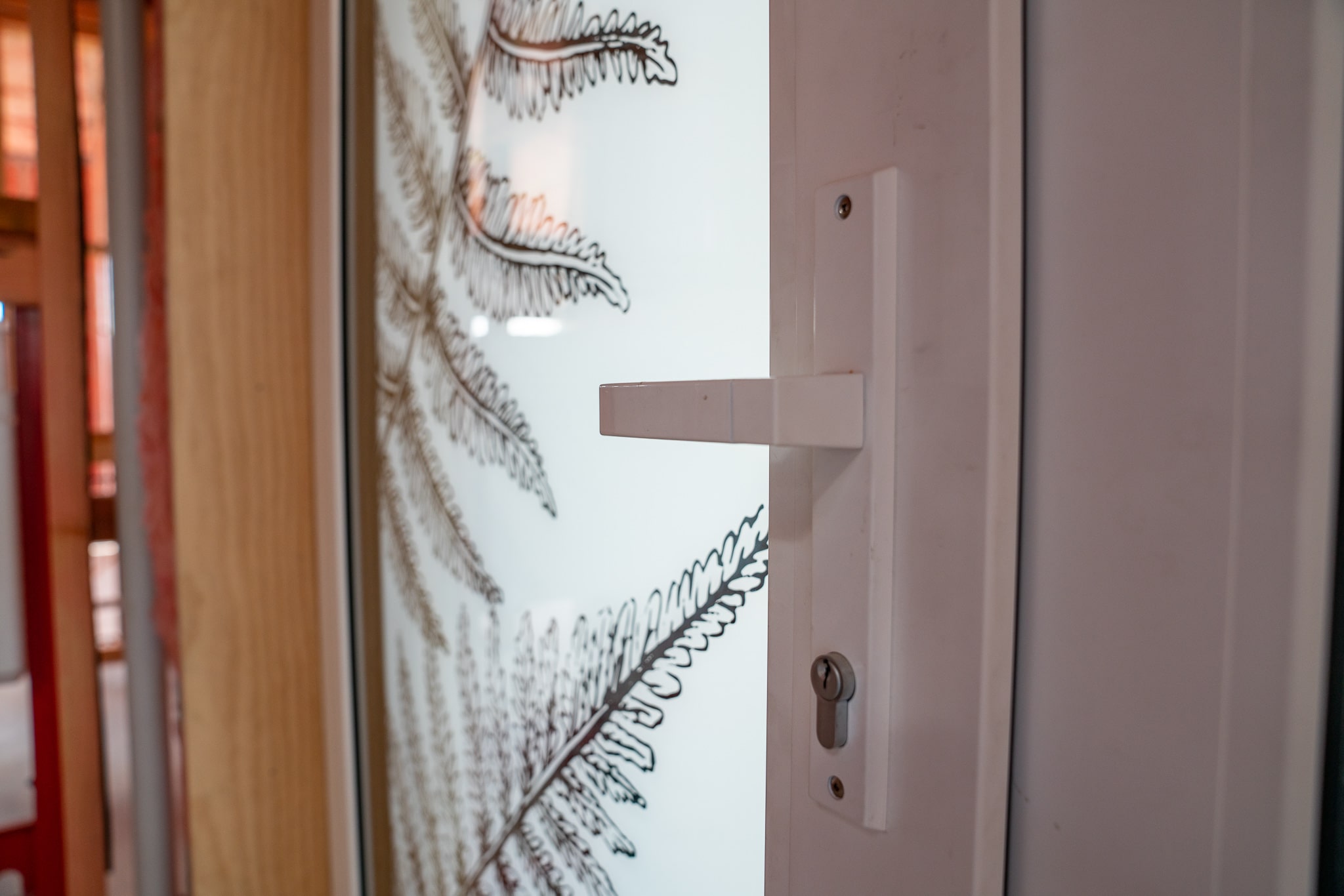
01 – High performance windows provide better airtightness and insulation, and minimise thermal bridging
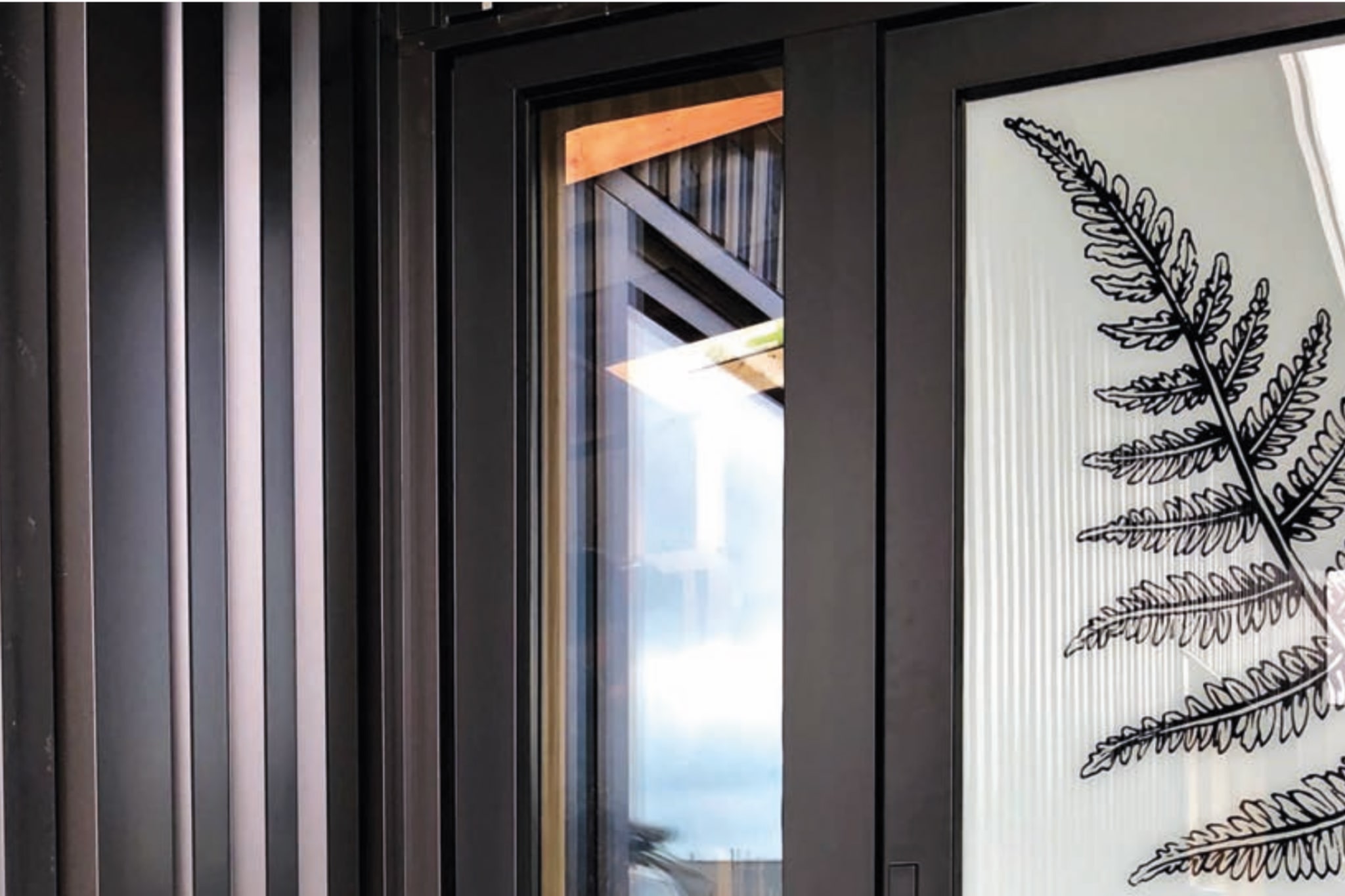
02 – All exterior windows and doors within the thermal envelope are triple glazed uPVC framed. The performance of timber is even better but cost is currently a factor.
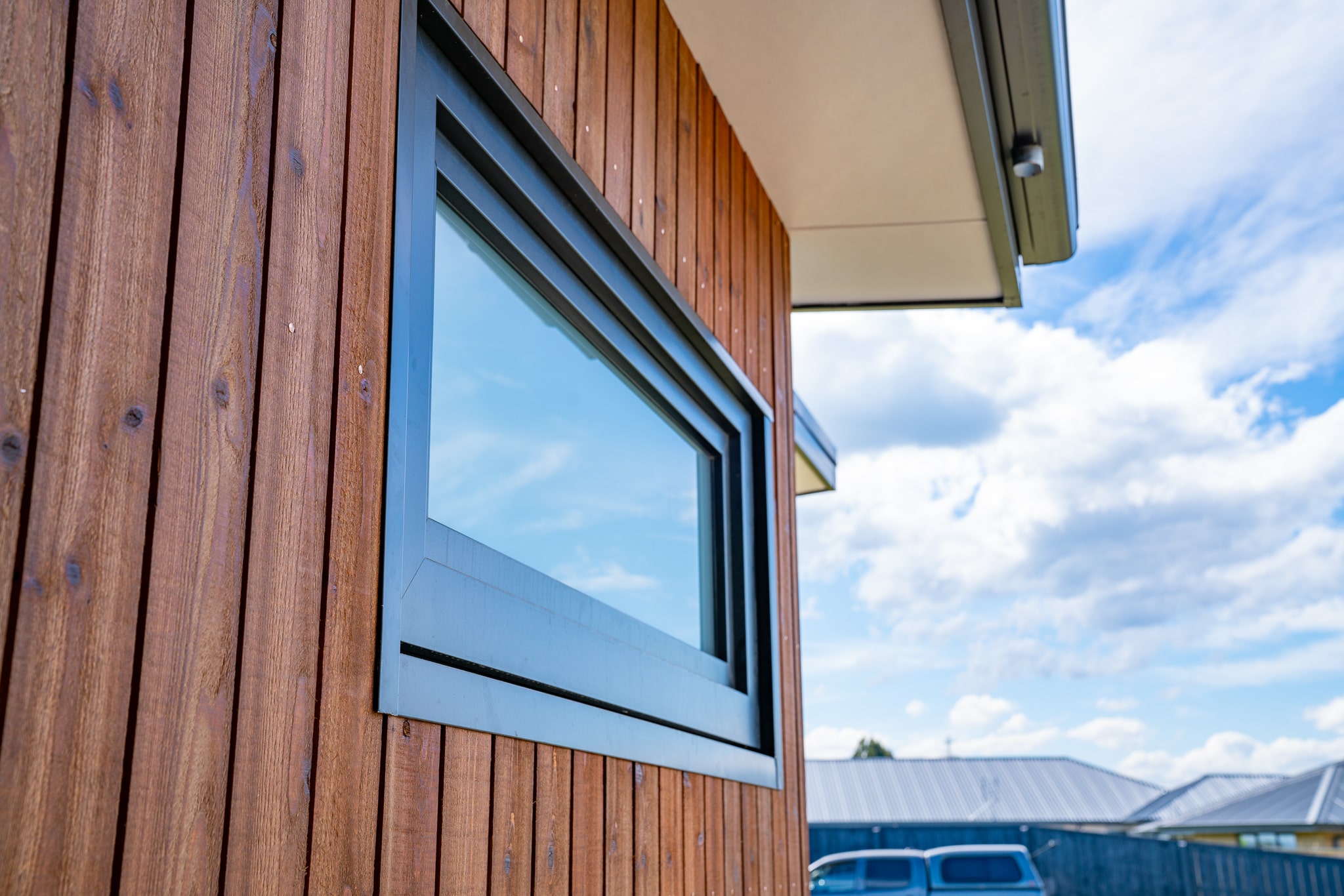
03 – The uPVC frames also contain particular seals to improve their air tightness. Hung doors and windows have much better air tight seals than sliders.
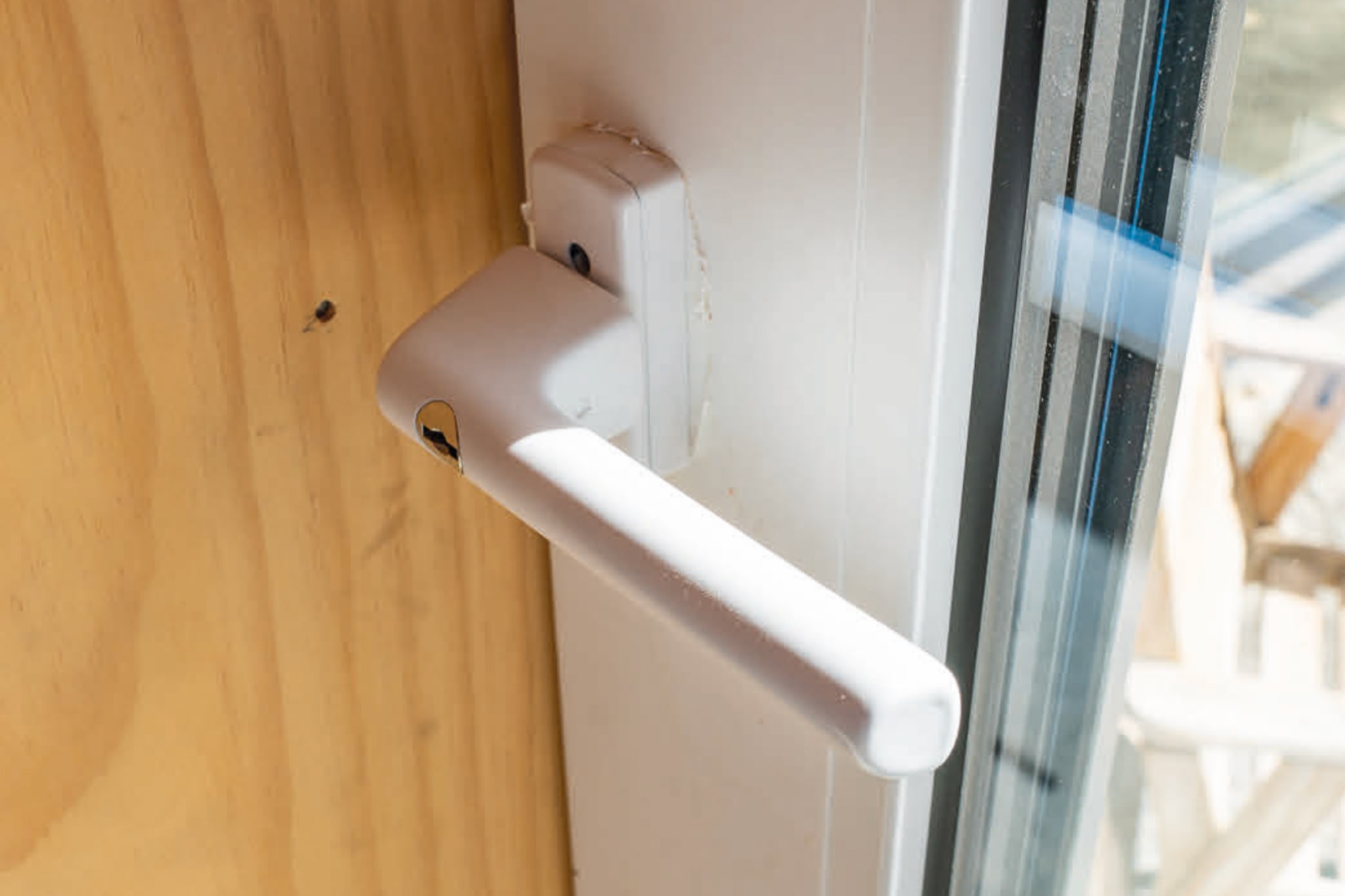
04 – Triple glazing will provide much better insulating performance in the South Island. The glazing is also argon filled and Low E.
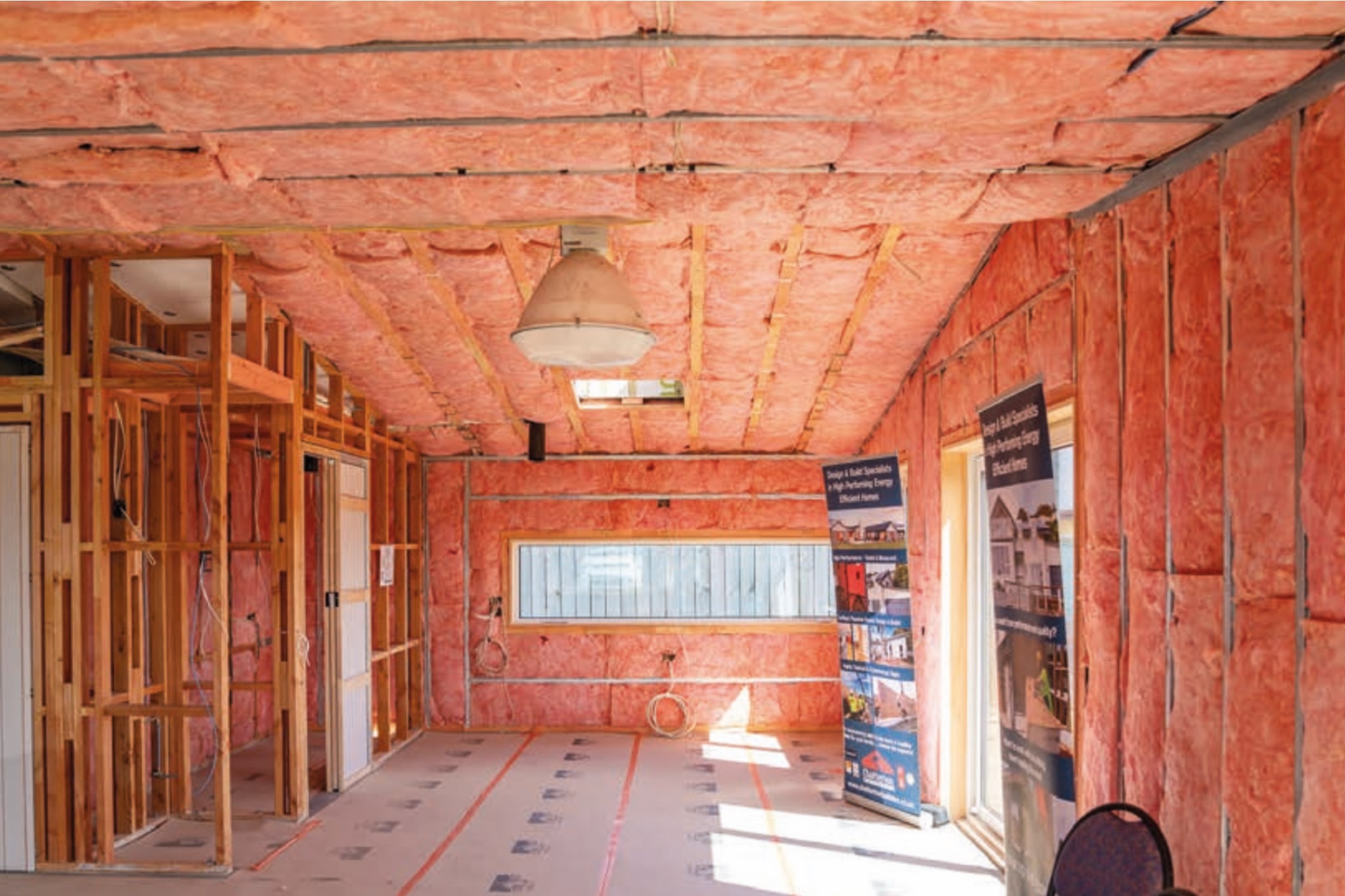
01 – Where the timber splines between the SIPs panels are located a thermal bridge is created. Additional Batts insulation within the service cavity reduces heat transfer
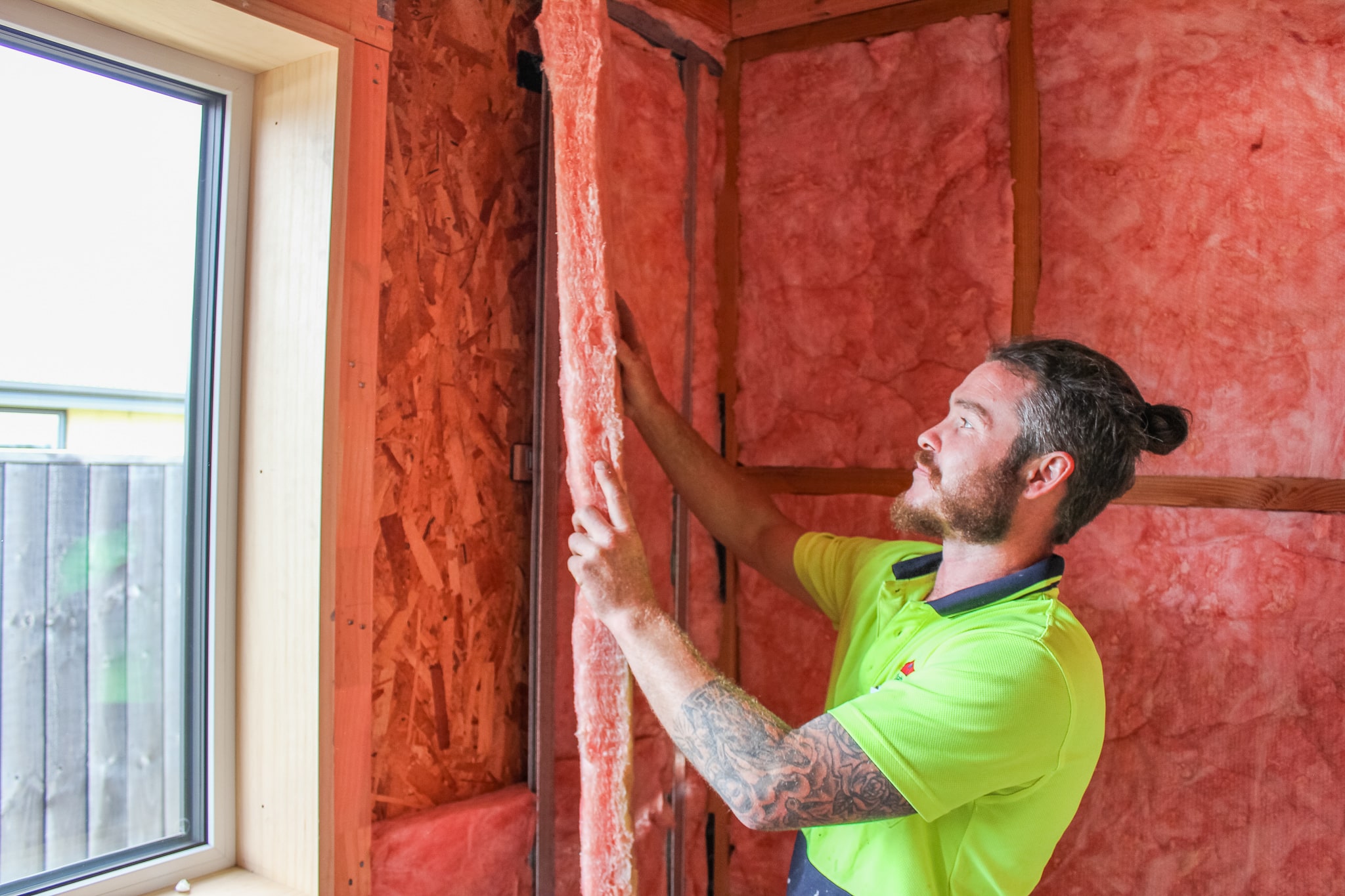
02 – Batts insulation has been installed throughout the wall & ceiling cavities to reduce the impact of thermal bridging across the timber splines.
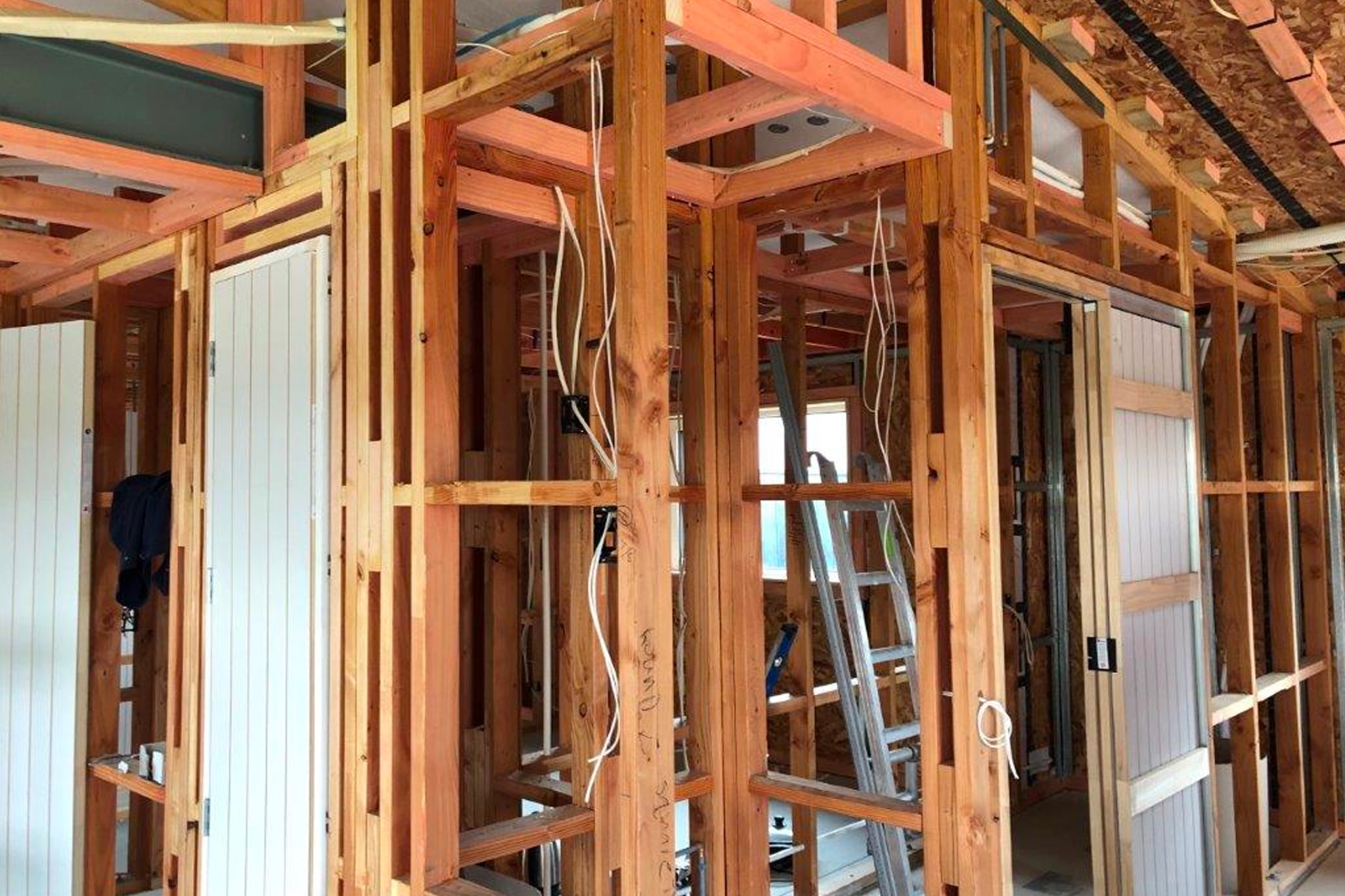
03 – A couple of steel beams are present but they are within the building envelope, therefore there is no thermal highway between the indoors and outdoors.
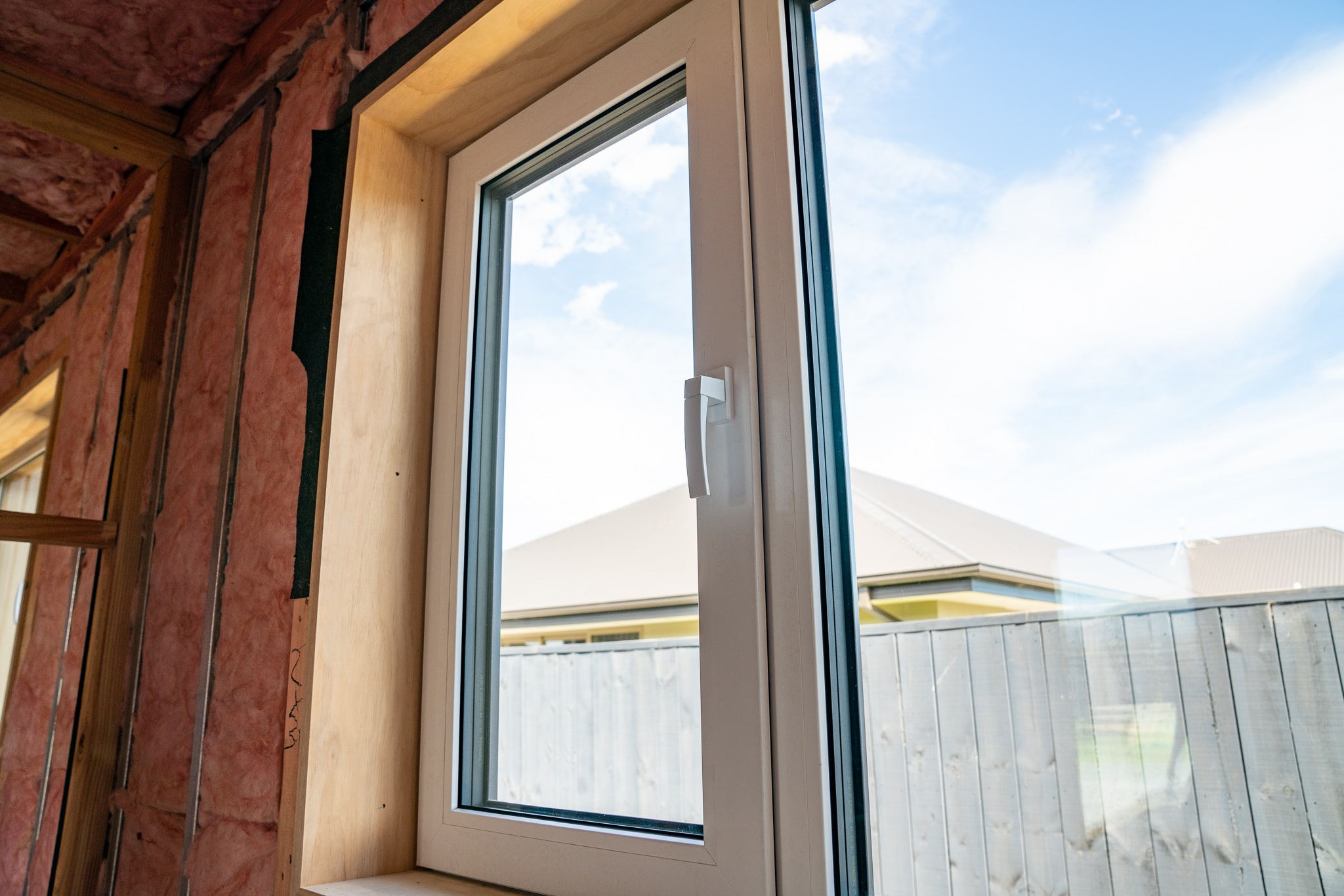
04 – Windows are important as they affect thermal bridging. Aluminium is a great thermal conductor so we use uPVC and timber frames to minimise unwanted transfer of thermal energy.
Passive House Projects We’ve Built
In 2011 we began designing and building homes to passive house principles. Whilst design features and form are important considerations, whatever your style or budget, there is a high performance solution for you. Be inspired by some of our projects.