
Why moisture management matters as much as insulation
When we talk about high-performance homes, whether aligned with Passive House principles or simply better building practice, insulation and energy efficiency often get the attention.
But long-term durability comes down to something more fundamental…..how well a building manages moisture.
Professor Wolfgang Feist, founder of the Passive House Institute, outlines three simple but critical strategies. Together, they form the foundation of a healthy, long-lasting home.
Keep rain out (bulk water control)
The biggest threat to any building is not temperature, it’s liquid water.
Modern homes are far more insulated than older houses, which is a good thing for comfort and energy use. However, it also means wall systems don’t dry out as easily as they once did. In older, poorly insulated homes, escaping heat could help dry incidental moisture. In today’s high-performance builds, that drying mechanism is largely gone.
That’s why water management is critical from day one.
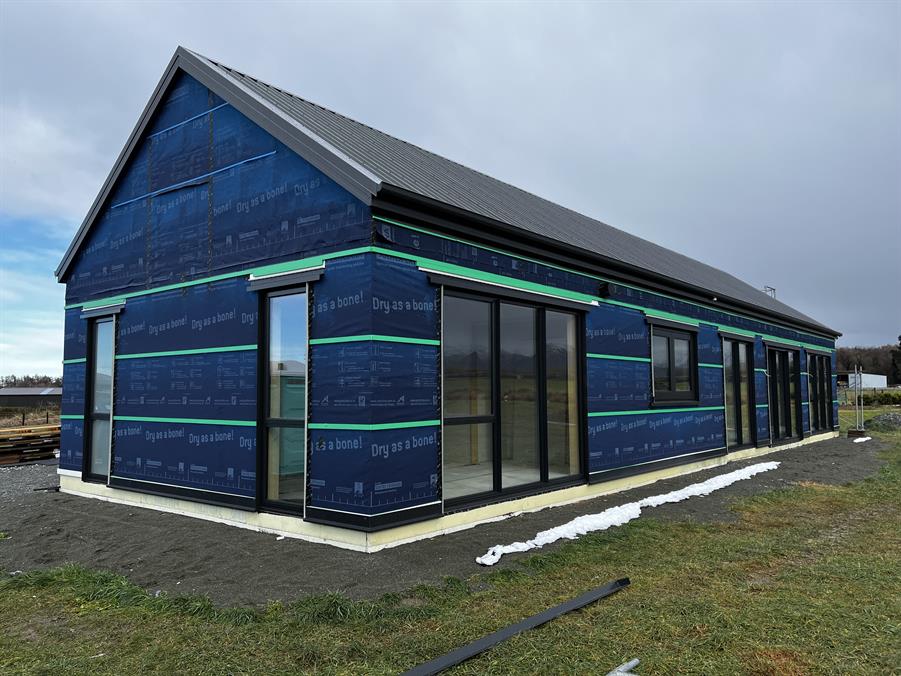
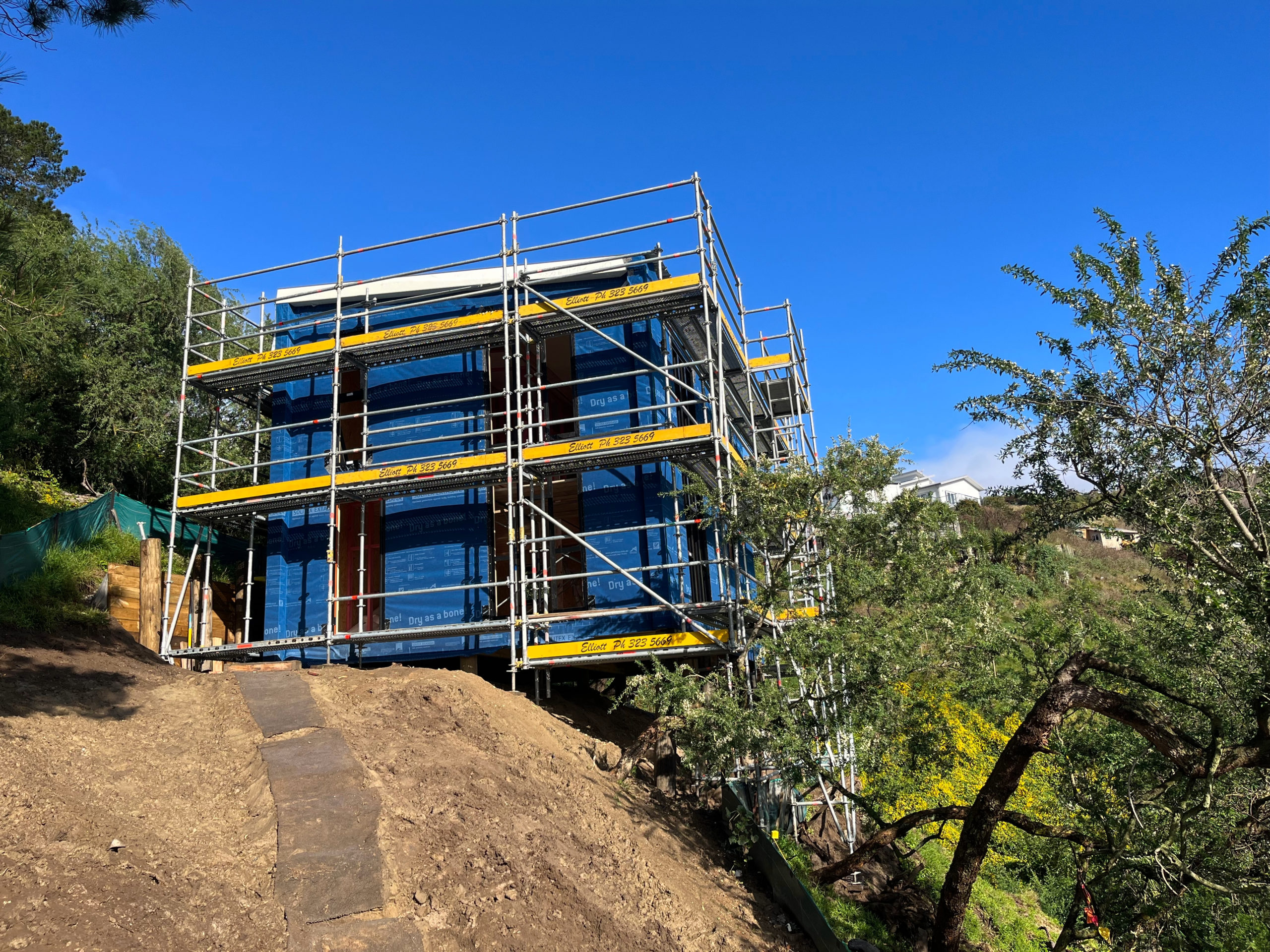
A well-installed weather resistive barrier (WRB) is essential. It acts as the primary line of defence behind the cladding, protecting the structure from wind-driven rain and construction moisture.
Importantly, good design assumes that cladding is not waterproof, it’s a shedding layer, not a barrier. The real protection sits behind it.
Control moisture in the air (airtightness)
Moisture doesn’t just come from outside, it’s constantly generated inside the home through everyday living including cooking, showering, breathing.
When warm, moisture-laden air moves into wall or roof cavities and meets cooler surfaces, it can condense. This is known as interstitial condensation, and over time it can lead to mould, decay, and structural damage.
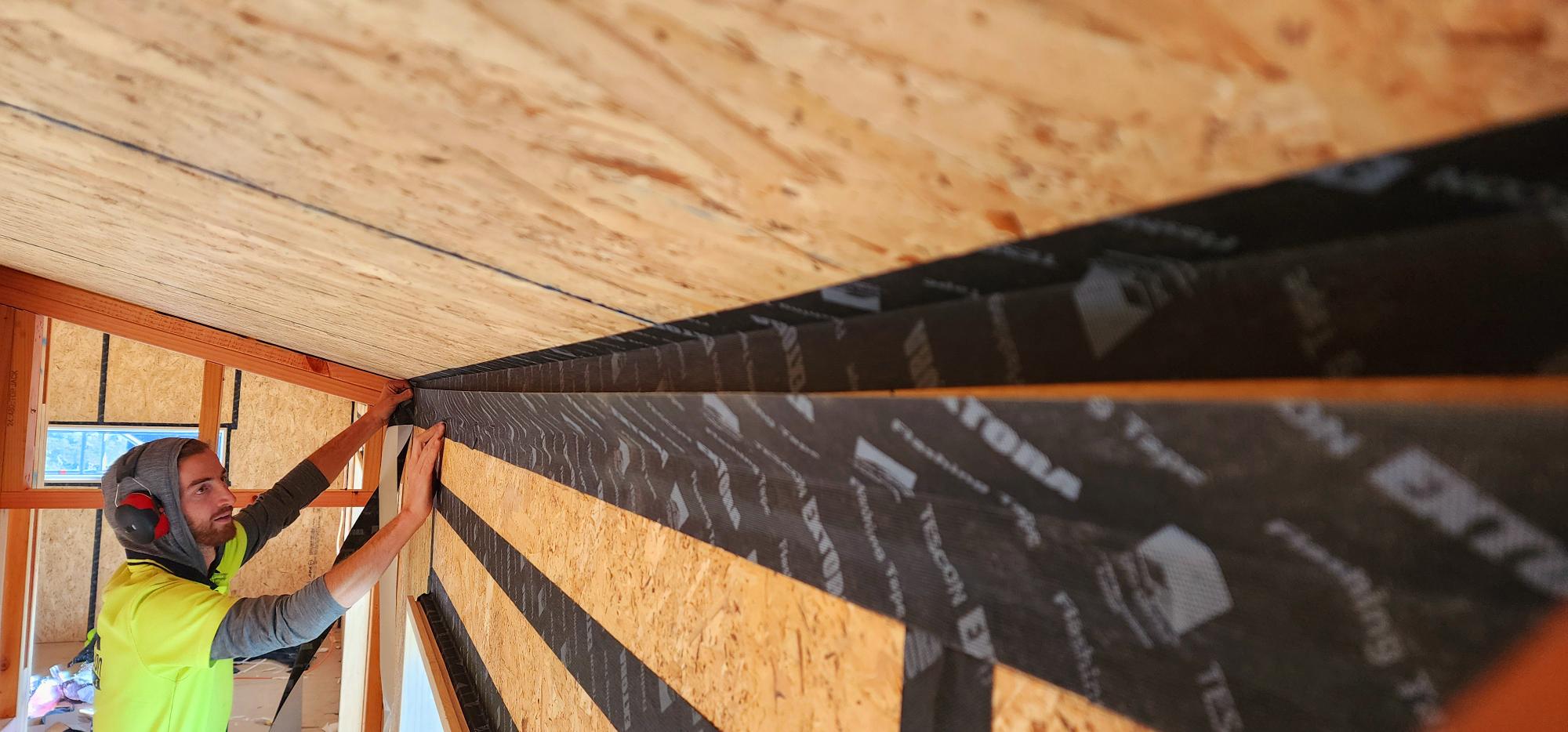
The solution is a well-designed airtight layer on the inside of the building envelope.
Airtightness is often discussed in terms of energy efficiency, reducing heat loss and improving performance, but it plays an equally important role in protecting the structure from internal moisture.
Importantly, if you build airtight, you must ventilate properly. Controlled ventilation ensures fresh air without compromising the building envelope.
Allow the building to dry (vapour permeability)
Even with good design and careful construction, some moisture can still find its way into a building over time.
That’s why the final principle is just as important…ensuring the structure can dry out.
This is achieved by using vapour-permeable materials on the exterior, allowing moisture to gradually move outward and escape.
Moisture naturally travels from areas of higher concentration to lower concentration. By designing wall systems that are more “open” to the outside, we support this natural drying process and reduce the risk of trapped moisture.
Why this matters
A high-performing home isn’t just about insulation levels or window performance, it’s about how all elements work together.
In simple terms:
- Keep water out
- Stop moist air getting into the structure
- Allow any trapped moisture to dry
Get this balance right, and you’re not just improving comfort and energy efficiency, you’re protecting the long-term health of the home.
The Chatterton Homes approach
We design homes that perform well in New Zealand conditions, not just on paper, but over decades of use.
That means considering:
- Moisture management alongside thermal performance and indoor air quality
- Material selection and build quality
- How people actually live in the home
Because ultimately, a warm energy efficient home is important, but a dry, durable home is essential.