With everything happening around the world, it’s a question we’re hearing more frequently: Is now really a good time to build a new home?
It’s a fair question.
Global uncertainty, fuel prices, the cost of living and changing economic conditions all influence how people feel about making significant financial decisions. For some households, these pressures are very real, and deciding whether to commit to a new home deserves careful consideration.
But if there’s one thing we’ve learned over many years in the building industry, it’s that there has rarely been a time when everything felt completely settled. Interest rates, material shortages, economic conditions and global events have always created periods of uncertainty.
The circumstances change, but uncertainty itself is nothing new.
While it’s important to understand how these factors might affect your plans, there’s very little any of us can do to control what happens in the wider world.
Perhaps a more useful starting point is to look closer to home, at the things you can control.
Start with what you actually want from your home
Before asking whether now is the right time to build, there’s another question worth considering.
What is it about your current home, or the homes available to buy, that isn’t quite meeting your needs?
For some people, it’s the location. For others, it’s finding a home that genuinely works for their family and the way they live.
Increasingly, we’re also meeting homeowners looking for something that can be much harder to find in the existing housing market…..a genuinely comfortable, healthy and energy efficient home.
One that’s warm throughout winter, doesn’t overheat in summer, has fresh filtered air and doesn’t require large amounts of energy to maintain a comfortable indoor environment.
Often, it’s not one particular feature they’re looking for, but a combination of things.
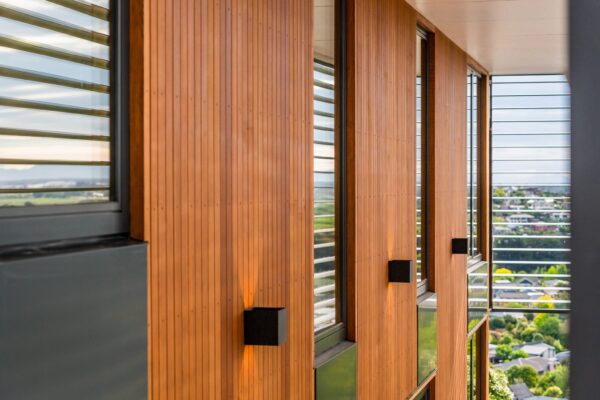
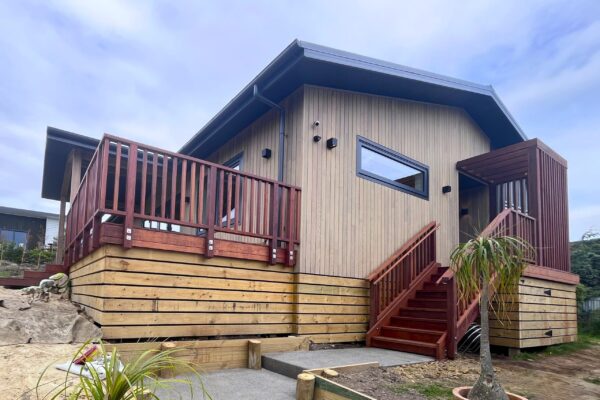
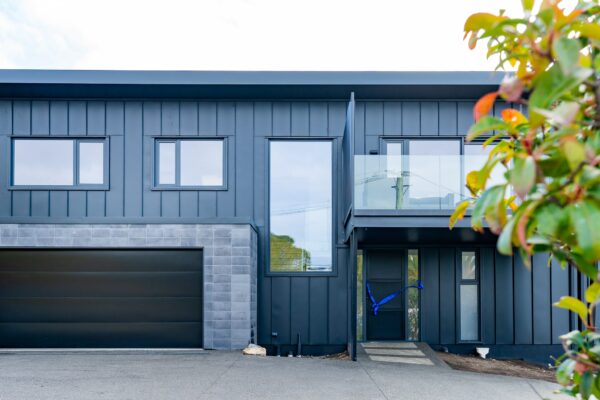
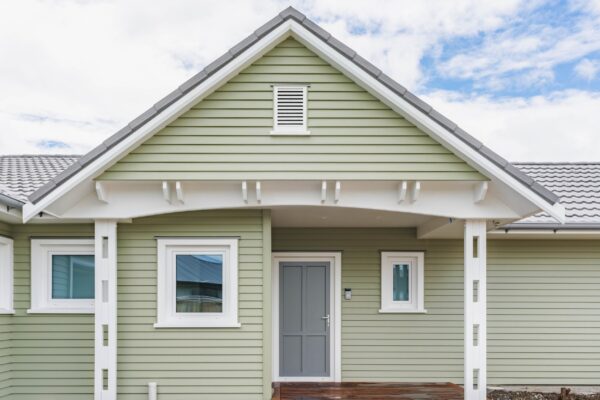
Can you find the home you want, or do you need to create it?
Buying an existing home can absolutely be the right decision. Sometimes the right property comes along, in the right location, with a layout and features that work beautifully for your family.
But finding a home that meets all your priorities can be difficult.
You might find the perfect location but need to compromise on the layout or energy efficiency, or make significant alterations to get the home functioning the way you want.
Every home involves some compromises.
The difference when designing and building your own home is that you have the opportunity to decide where those compromises are made, rather than simply inheriting someone else’s decisions.
Instead of adapting your lifestyle to an existing floor plan, you can begin with how you want to live.
How do you use your living spaces? Where does the sun fall throughout the day? Do you enjoy entertaining? Do you need privacy, flexibility for changing family circumstances, or room for hobbies and interests?
What would make everyday life easier, more comfortable and more enjoyable?
These questions help shape a home around the people who will actually live in it, both now and into the future.
And while a newly built home isn’t automatically a better home, thoughtful design can make an enormous difference to how well it meets your needs.
Think beyond what the home looks like
When people imagine their ideal home, it’s often the visible features that come to mind first. This might be a beautiful kitchen, generous living spaces, large windows or perhaps a sheltered outdoor entertaining area.
These are all important, but some of the decisions that have the greatest impact on everyday living are much less visible.
How consistently warm will the home be in winter? Will bedrooms stay comfortable in summer? How much energy will be required to heat and cool it? What about ventilation, indoor air quality, moisture management and long term durability?
These are things that can be difficult and expensive to improve in an existing home. They’re also increasingly relevant for homeowners thinking about their health, future running costs or changes in household income, particularly as they approach retirement or raise a family.
When designing from the beginning, however, there’s an opportunity to consider these factors alongside the layout, orientation, materials and architectural features.
Good home performance isn’t simply about adding more insulation or choosing better windows. It’s about understanding how the different elements of a home work together.
And there isn’t only one level of performance worth considering.
For some homeowners, achieving Certified Passive House performance is a priority. For others, a thermally modelled high performance home or an energy efficient home designed around sound building principles may provide the balance they’re looking for.
The important thing is deciding what matters most to you, then designing accordingly.
So, is now the right time?
Perhaps the answer has less to do with predicting what will happen in the world over the next six or twelve months, and more to do with your own circumstances.
Can you comfortably fund the project? Do you know your priorities and where you’re prepared to compromise to stay within budget?
And importantly, will the home you’re considering building offer meaningful improvements to your everyday life that you haven’t been able to find elsewhere?
If the answer is yes, there may be good reasons to progress your plans, even when the wider world feels uncertain.
That doesn’t mean ignoring financial realities or rushing into a commitment. It means making decisions based on the things you can reasonably understand and influence, rather than waiting for economic conditions that may never feel entirely predictable.
There will always be reasons to wait. Equally, delaying can have its own costs, whether that’s changing construction prices, continuing to live in a home that doesn’t meet your needs, or postponing the benefits of the home you really want.
Ultimately, the right time to build is less about finding perfect market conditions and more about having the right reasons, the right priorities and a realistic path forward.
At Chatterton Homes, we’ve spent many years helping homeowners balance their design aspirations, budgets, lifestyle priorities and long term home performance.
We believe a well designed home should offer far more than the satisfaction of owning something new. It should genuinely work for you, feel good to live in and continue delivering those benefits for many years to come.
And that’s a worthwhile starting point for any conversation about building.
When you are ready for a conversation we’d be happy to chat